
Algorithmic extremism with AI-powered radicalization tools
AI image & video apps, user generated open-world games, and companion apps make it easy for kids to create school shooter fan art, cosplay as school shooters, and even make personal Adam Lanza bots.

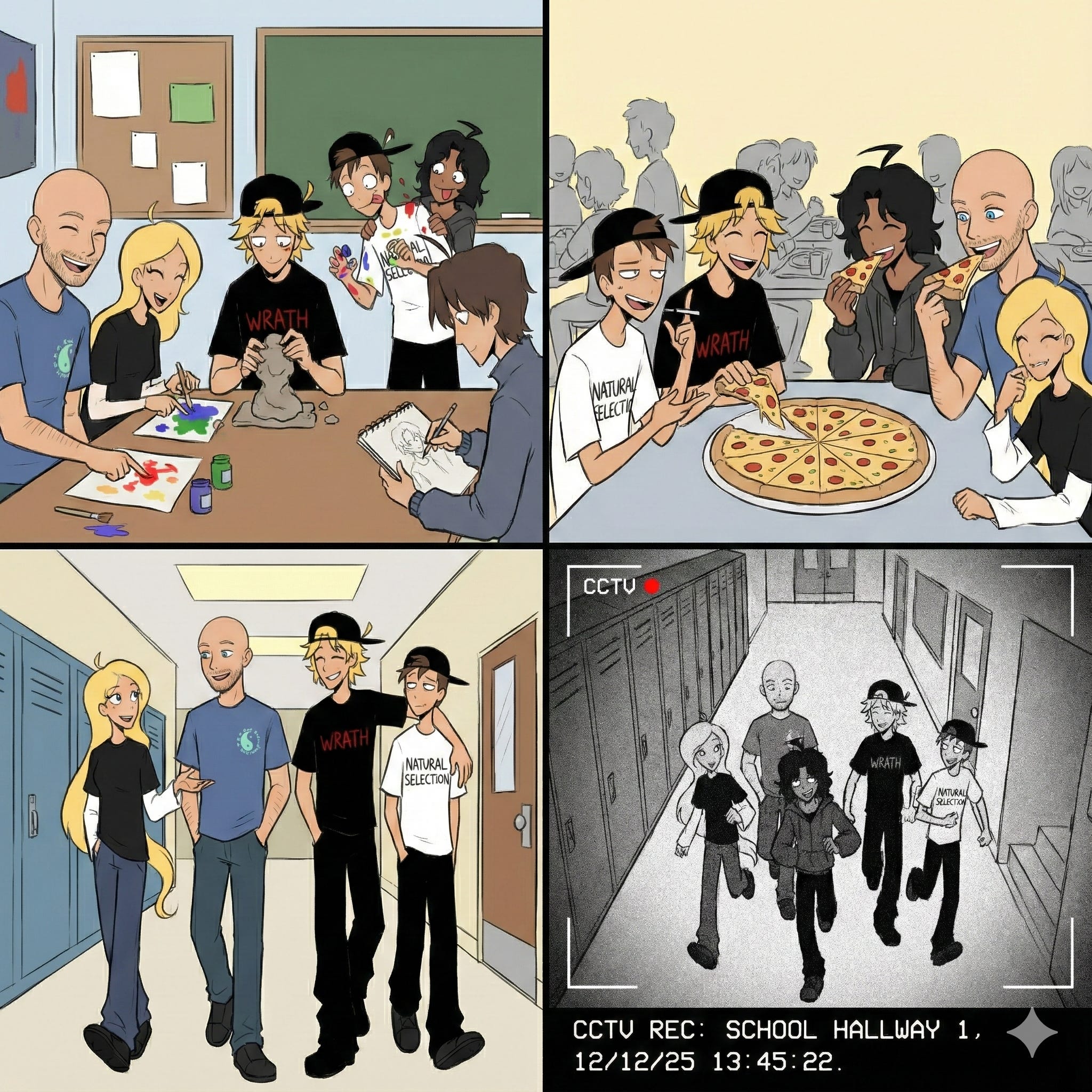
LLMs—especially the newest updates to image generation apps like Nano Banana Pro—are really, really bad news for online radicalization. For example, I uploaded a photo of myself and a photo of some teens that everyone involved in school safety, policing, intel, or violence prevention should recognize.
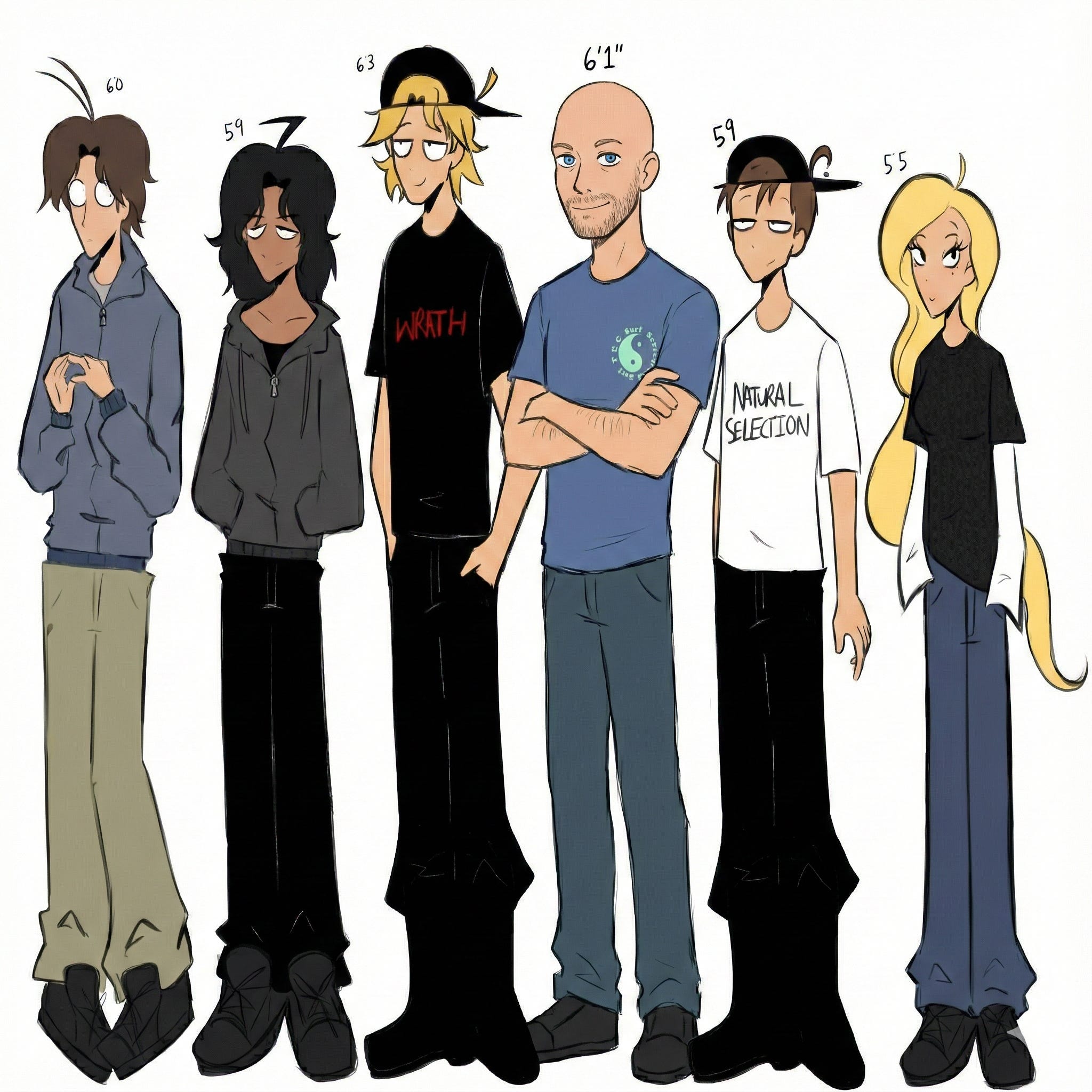
My prompt was “make a four panel cartoon of me and my friends having fun at school”. The bottom right panel is beyond words as Google’s LLM created a black and white CCTV image that looks just like the infamous videos from the Columbine attack. Tech companies have created these tools with absolutely no guardrails on what kinds of images they will generate.
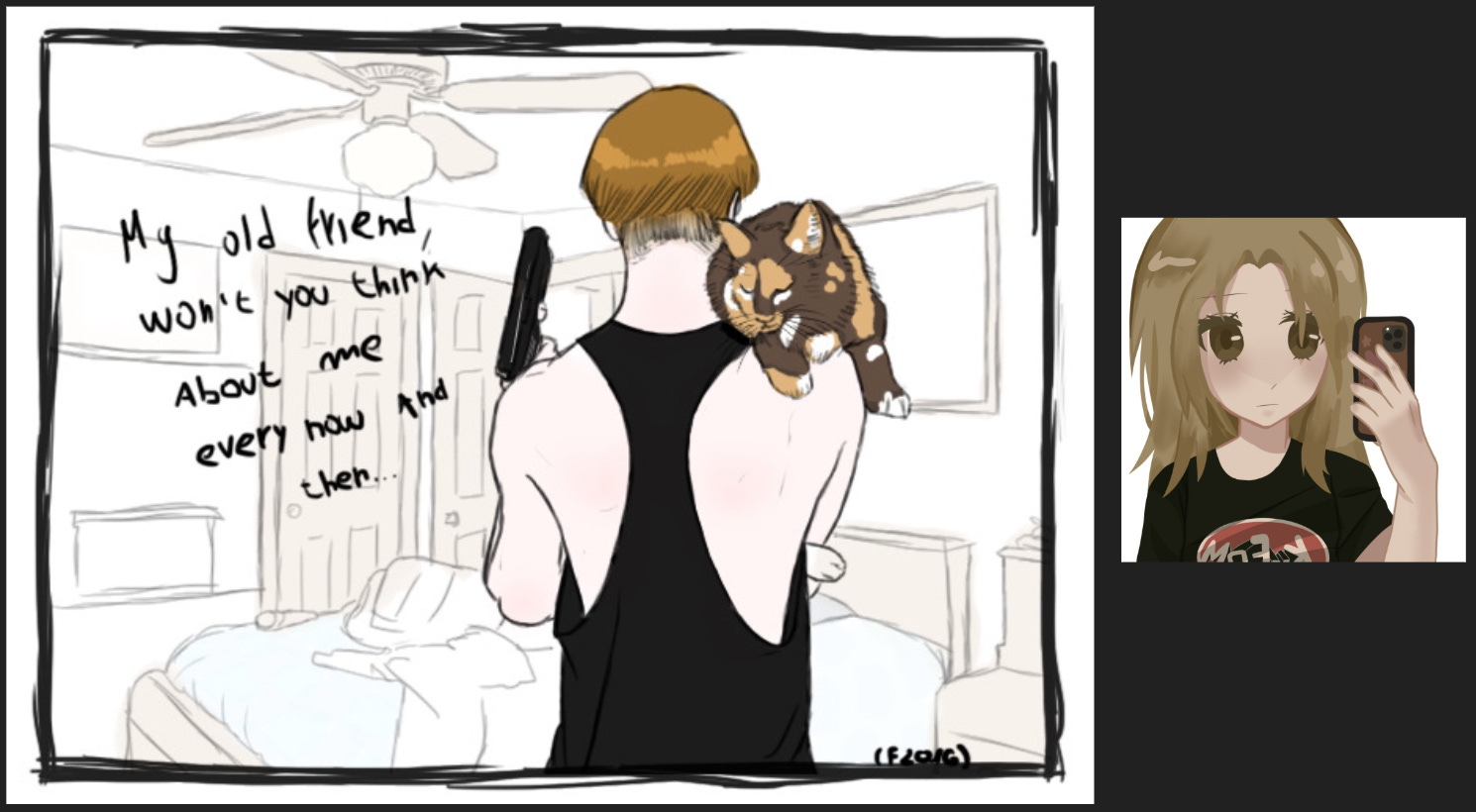
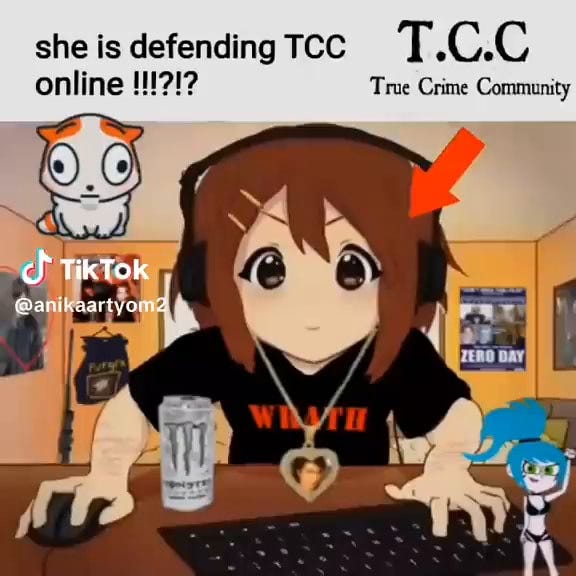
This matters because creating and posting school shooter fan art is how kids get respect and acceptance in TCC (True Crime Community or Trench Coat Community). TCC members on twitter, instagram, discord, roblox, reddit, and every other social media platform treat high profile school shooters as characters to analyze, idolize, and mythologize. They share documents, timelines, manifestos, and crime scene artifacts with the same obsessive energy that adult ‘true crime’ podcast fans dedicate to cold cases and serial killers. TCC for teens becomes online extremism when their fascination turns into ideological grooming, training/peer guidance to commit an attack, or identity-building to become the next TCC icon. In these online spaces, isolated teens (and pre-teens) can easily reinforce each other’s nihilism while roleplaying violent fantasies.
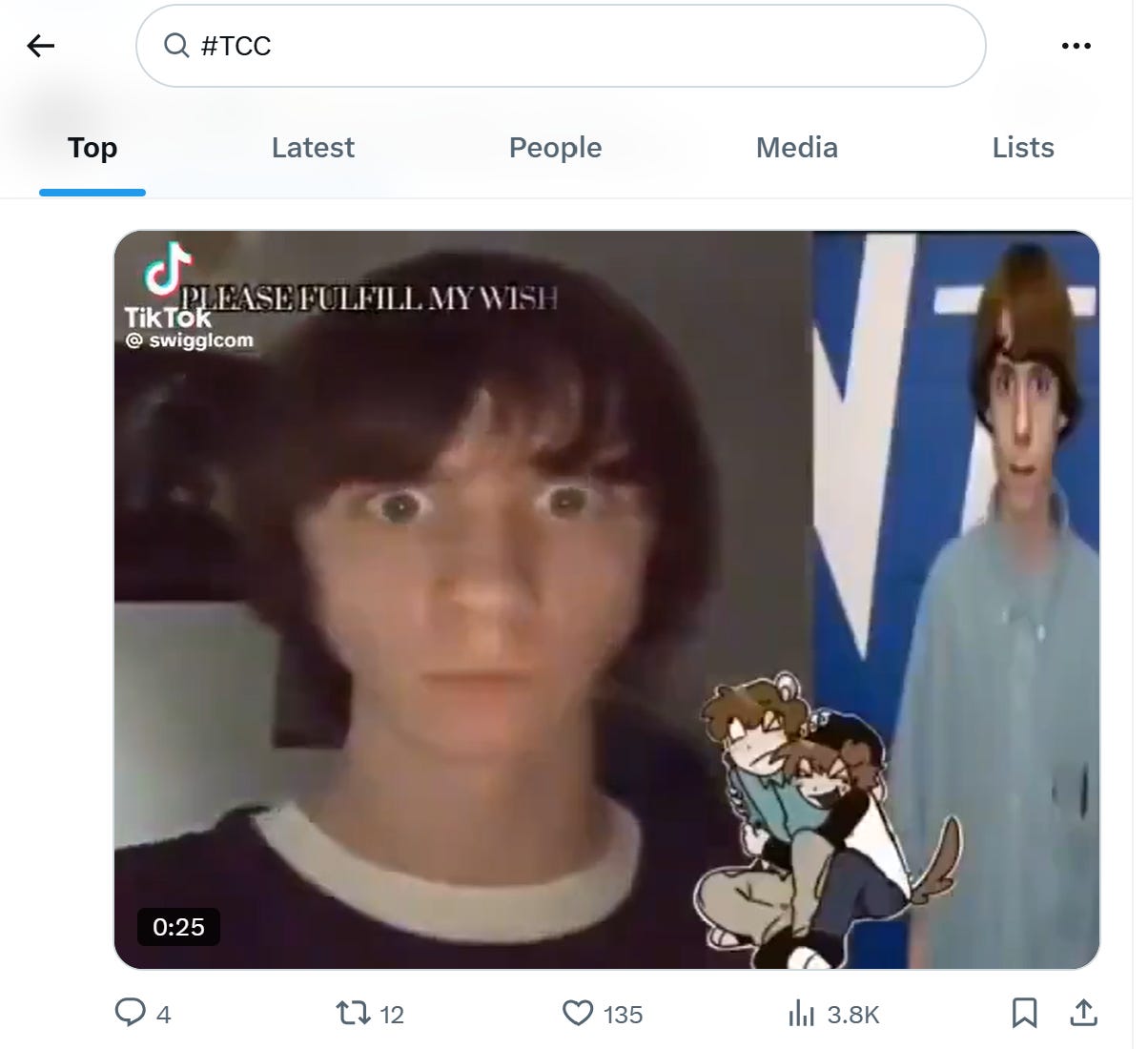
These new risks aren’t theoretical. Here is an example from a mainstream social media app where a teen is using a TikTok bubble filter to try to look like Adam Lanza. When algorithmic apps reward fringe, offensive, and controversial content, this random account got +100 likes in the first hour when I screenshotted this. Since twitter and meta have no trust/safety teams or content review process, anyone can post, share, and like this content. As you can see in the search bar, TCC content is easy for anyone to find.
Social (algorithmic) media is a place that cultivates and drives this behavior because teens get to interact, mimic, and amplify each other in real time, and from anywhere in the world. Even if nobody at your school is interested in school shootings and watching violent gore content, you can log-on to mainstream apps to interact with thousands of people who do share your interest.
Community and cultivating a feeling of belonging is powerful even when it’s a bad community full of people who want to cause harm. You can see the power of belonging and in-group identity as three teens—who were living hundreds of miles from each other in Tennessee, Wisconsin, and Colorado—posted matching photos before opening fire inside their high schools last year.
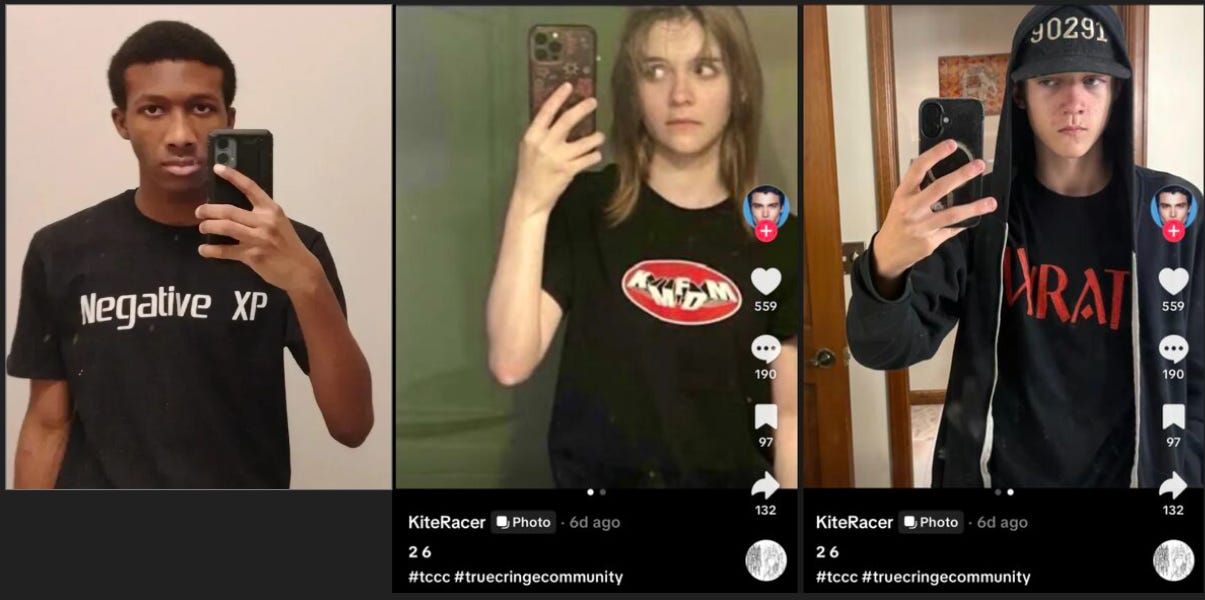
The last 7 school shooters (plus a near miss plot by a teen girl who had access to multiple AR-15 rifles was averted 3 days prior to a ‘Parkland Part 2’ attack) were connected with the same online group that shares violent gore content, fan art idolizing prior school shooters, and encourages members to commit real-world violence. In sociology, anomie is a social condition defined by an uprooting or breakdown of moral values and standards for people to follow. It’s commonly understood to mean normlessness (lack of purpose, despair, and disconnect in a state of societal breakdown).
This concept of anomie idea dates back to French sociologist Émile Durkheim and his book Suicide in 1897. It’s not a stretch to connect these concepts because school shootings are almost always violent public suicides (the Madison, Nashville, Minneapolis, and Denver school shooters who I referenced all committed suicide before police could stop their attack). Durkheim explained that society (and not individuals) is the cause of suicide because of rapid changes to the standards or values of societies, and this causes feelings of alienation and purposelessness.
CBS News: Her daughter died after falling in with online extremists who idolize school shooters. Now, she’s warning other parents.
This week, CBS News published a primetime feature story about online extremism and the influence of social media and AI on children and teens who commit mass violence. This is a story that I spoke with the producer about multiple times over the last six weeks.
Those active in the TCC share violent “gore” videos, create and commission fan art of mass shooters and sometimes interact with people plotting attacks, said David Riedman, an assistant professor at Idaho State University who created a database to track school shootings.
Illustrations, video edits and photo collages romanticizing and sympathizing with perpetrators of the Columbine, Virginia Tech and Sandy Hook school shootings are easy to find in TCC-tagged posts on platforms including Tumblr, TikTok and X. The community is considered niche — CBS News identified posts on these platforms with “likes” ranging in the thousands.
Riedman said few people in TCC circles will actually go on to commit acts of violence. But a small portion do, with devastating consequences.
Seven recent shootings in U.S. K-12 schools have been linked to TCC, according to Riedman’s data. Eleven people were killed and 53 more were injured in the attacks, which took place over the last two years. Five of the shooters took their own lives as well.
Just last month, police charged a 17-year-old in Indiana linked to TCC who was allegedly plotting to carry out an attack. A search of her phone revealed a drawing of the Columbine perpetrators and screenshots from a Discord conversation between her and a friend who encouraged her to livestream an attack, an affidavit obtained by CBS News alleged.
When people active in the TCC carry out shootings, they sometimes become new idols within the community and inspire more violence. The 15-year-old girl behind the December 2024 shooting that killed a teacher and a student at Abundant Life Christian School in Madison, Wisconsin, is one example.
A month later, a Tennessee teenager she followed on X shot a student in his school and then himself. Posts from an X account believed to be his encouraged her to livestream the Wisconsin attack, CBS News found. In the days after, he posted defending her and calling her a hero.
In August and September, two more individuals linked to TCC, one in Minnesota and another in Colorado, carried out deadly school shootings before killing themselves. The Colorado perpetrator posted on violent gore sites about previous shootings, the Anti-Defamation League found. YouTube videos posted by the Minnesota perpetrator and reviewed by CBS News showed written references to school shooters — including the name of the Abundant Life perpetrator — on his weapons and a journal.
TCC can hold an appeal for young people who are experiencing bullying or feel like they don’t identify with other kids, Riedman said.
“You start to meet people that will like all of your photos and will share your content and are inviting you to come to their private chats,” Riedman said. “Now you have this community that you don’t have anywhere else.”
Learn More about TCC and Online Radicalization:
112 TCC-radicalized students identified by police in Jakarta, Indonesia
Ep 60. Inside the True Crime Community (TCC) that grooms teens into school shooters
Ep 57. TCC, gore videos, groypers, and online radicalization
Meme culture, Groypers, school shooters, and ‘Anomie Extremism’
Discord Platform: What schools and parents need to know to prevent a school shooting
David Riedman, PhD is the creator of the K-12 School Shooting Database, Chief Data Officer at a global risk management firm, and a tenure-track professor. Listen to my podcast—Riedman Report: Risk, AI, Education & Security—or my recent interviews on Freakonomics Radio and the New England Journal of Medicine.