
School security vendors hide from the real tech and AI industry
Companies selling AI security tech to schools aren't at tech conferences, on tech podcasts, or covered by tech media because savvy Silicon Valley audiences would see the smoke and mirrors.

I’m presenting at the biggest tech safety conference in San Francisco in a few weeks. While I was looking at the sponsors and exhibitors, it hit me that none of the big vendors in the school security tech market will be there. If you were running a cutting edge company that uses AI to detect weapons or screen threats, wouldn’t you want to be in the same room with Google, OpenAI, Discord, LinkedIn, Roblox, TikTok, and Uber?
If you listen to the sales pitches of the vendors selling security products to public schools, you would think they are at the peak of tech innovation. They promise military-grade AI, autonomous threat neutralization, mesh networks for emergency communications, smart metal detectors that can distinguish cellphones from weapons, and predictive analytics for campus data. They speak the language of Silicon Valley by throwing around terms like “elite technologists”, “computer vision models”, “proprietary algorithms”, and “neural networks”.
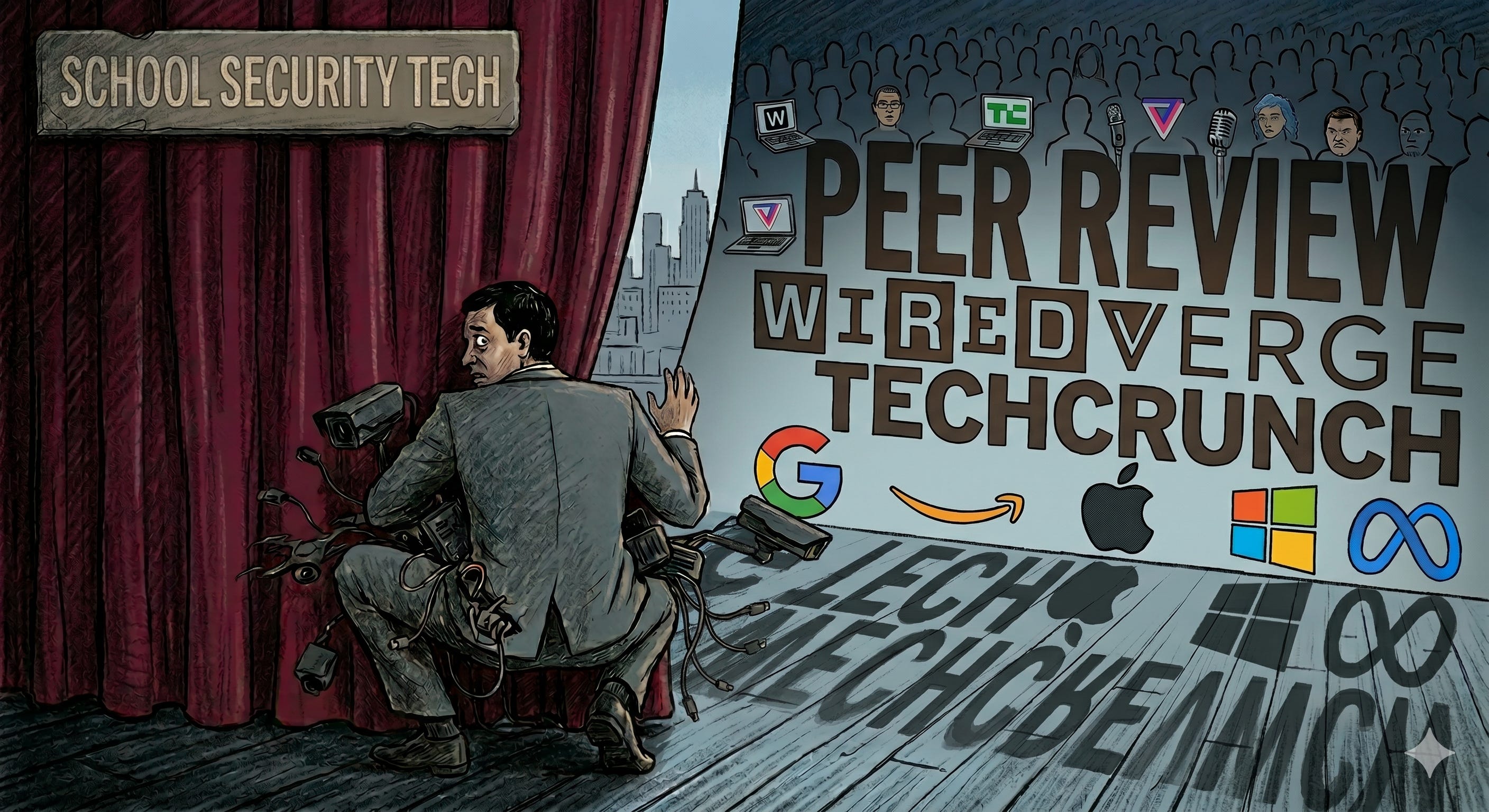
But if these school security tech companies are doing such amazing work in trillion-dollar industries like AI, sensors, data analytics, and drones…why are they hiding from the tech community?
Compared to some of the niche markets that Silicon Valley startups target, the multi-billion-dollar school security industry should be a center piece of tech conferences, podcasts, and venture forecasts. For example, Bloomberg’s Odd Lots podcast just interviewed the CEO of a AI-startup that tracks local oat and alfalfa prices for horse owners. The 4th of July grill episode of the popular tech podcast Decoder had an episode with the CEO of Weber-Blackstone. There are about 80M single family homes in the US and maybe half of them are in the market for a Weber or Blackstone grill every 5 years, so there are less than 10M potential customers. When small markets receive this much tech industry attention, business incubators like Y Combinator should be all over school security tech startups when they have billion-dollar market caps.
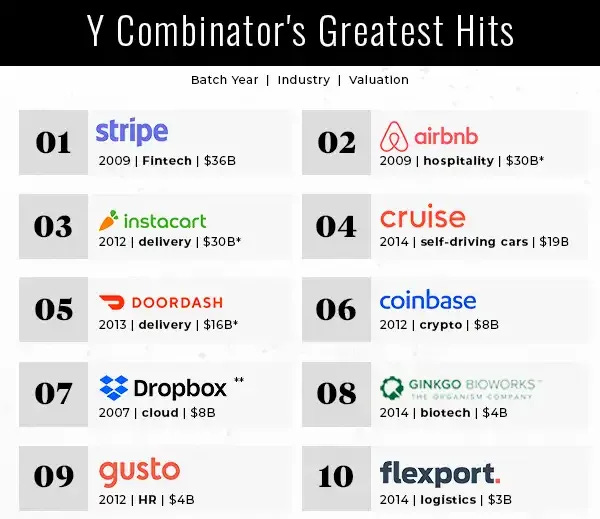
There are 60,000,000 kids attending classes on 130,000 campus and education is the biggest budget item for most city and county budgets around the country, so the “market” is huge. But school security tech is strangely absent from the tech company scene.
Real Tech Ecosystem
I listen to tons of podcasts and there is a constant stream of tech CEOs giving hour-long interviews about the specific capabilities of their products. These are high-risk interviews because hosts like Nelay Patel ask hard questions and break the CEOs out of their rehearsed PR prep answers.
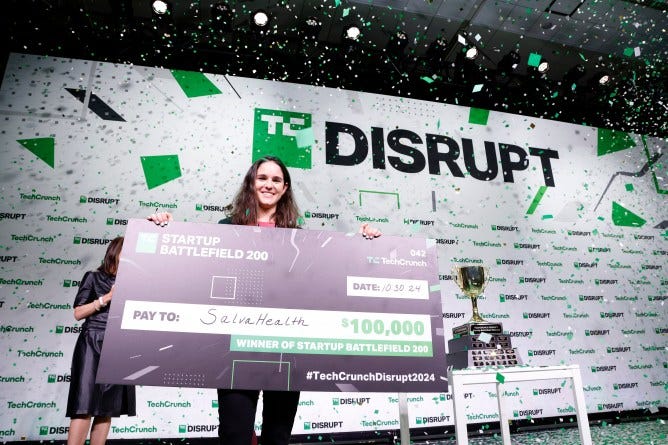
The CEOs do these interviews because the Silicon Valley culture is for new tech to be tested, vetted, and debated if it’s going to keep getting funded. “Go fast, break things” means putting your creation into the world and letting other people see how it works. If you want to walk away with a check from the TechCrunch Disrupt Startup Battlefield, you need to prove that your product works.
Most telling of all, the school security companies refuse to let independent tech journalists and third-party labs test their products. School security products aren’t covered by major tech blogs like TechCrunch or Wired. You don’t hear their founders on software, engineering, or venture capital podcasts. This is strikingly different from the tech industry. We have LLMs because Google published a research paper called “Attention is all you need” but there aren’t peer reviewed articles and white papers by the school security tech companies explaining how their products work.
In the Bay Area tech scene, survival requires walking the gauntlet of scrutiny. If you build a new consumer drone, enterprise database, or smartphone accessory, you send them to journalists before the public release.
School security tech vendors operate on the exact opposite end of the spectrum. They don’t want scrutiny because their business model depends on opacity. Instead of pitching to seasoned venture capitalists who would demand to see false-positive data, code audits, and hardware specs, these companies focus their attention where fear overrides technical fluency with vulnerable audiences like school administrators, politicians, and parents.
A tech incubator like Y Combinator would laugh at the sales pitch from the CEO of a panic button app, computer vision gun detection, or attack drone company. Saying “just trust me is works” without showing how doesn’t fly on Sand Hill Road.
Market to the vulnerable
It is far easier to convince a school superintendent or a state politician that an unvetted piece of hardware will save lives. If there were an effective technology for keeping guns out of schools, every jurisdiction would line up to buy it. When tech doesn’t work, vendors pay lobbyist to sell it to politicians.
For example, Florida Gov. Ron DeSantis just signed the 2026-27 state budget after slashing $1.7 billion. Among the cuts were procurements for AI gun detection software in public k-12 schools.
State lawmakers had filed numerous local funding requests seeking to bring the platform to school districts across Florida, ranging from $15,000 to $3 million. Only four projects survived this year’s protracted appropriations process: Franklin ($15,000), Hernando ($240,000), Seminole ($250,000) and Miami-Dade ($1 million rather than the $3 million requested).
Registrations show ‘ZeroEyes’ (same company William & Mary students just cancelled) retained a half-dozen Florida state lobbyists during the 2026 Session including Kenya Cory, Jack Cory, and Erin Ballas of Public Affairs Consultants and David Browning, Mercer Fearington, and Clark Smith of The Southern Group. Based on public disclosures, The Southern Group charges between $10k-25k/month per person for their services.
This means the AI-gun detection company likely spent $1M-$2.5M on lobbying for what turned out to be $1,505,000 in Florida schools contracts. With a ROI like that, it’s obvious why Silicon Valley funders like YC didn’t incubate them.
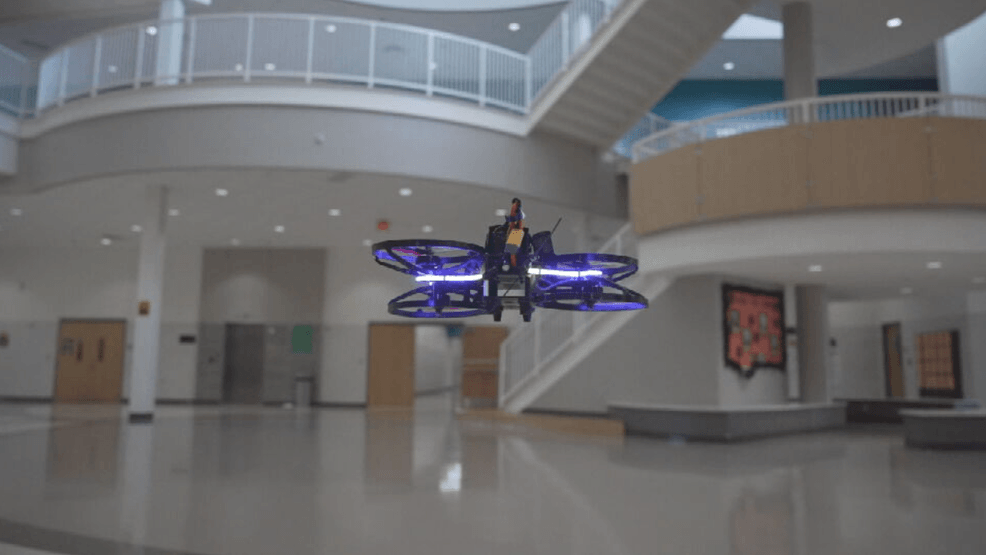
While spending in Florida was bust this year for one company, security tech companies are spending millions on lobbying because they can’t survive the scrutiny of the real tech ecosystem. By avoiding tech media and rigorous product reviews, school security companies ensure that the public only sees their tech in highly controlled, beautifully staged PR packages. They create an environment where questioning the efficacy of their tech is framed as being unconcerned with children’s safety.
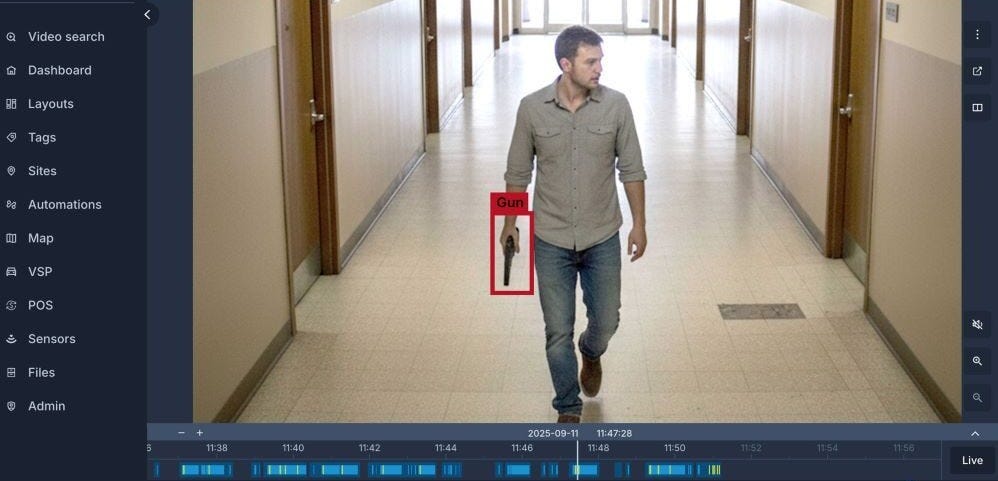
If a piece of school security technology cannot survive a standard product review by a tech blog, a tough interview by a journalist, or a 3rd party audit by an engineer, we should not be using it as a multi-million-dollar experimental around our children.
David Riedman, PhD is the creator of the K-12 School Shooting Database, Chief Data Officer at a global risk management firm, and a tenure-track professor. Listen to my podcast—Riedman Report: Risk, AI, Education & Security—or my interviews on Freakonomics Radio and the New England Journal of Medicine.