
School shooters are content creators. Will they wear Meta Ray-Ban glasses to livestream their attacks?
Trending on social media isn't just for fashion, travel, and lifestyle influencers. Most teens who commit mass violence want to share their attack with their followers and their online community.

A teen who committed self-harm and shares memes on social media glorifying mass shooters was talking with a social worker who specializes in online radicalization. When he told her about his plan to livestream a school shooting, she said “I’m going to shut your account down before you pull the trigger”. The teen screamed “no, I can’t do the attack without it!”
Without an audience to watch, what’s the point of committing a mass shooting?
School shootings are performances with a script, stage, costumes, actors, and most importantly, an audience. In the age of online radicalization and social media communities that encourage teens to commit mass shootings, their audience is the internet. This means their performance requires two hands on a rifle with a hands-free way to stream the carnage. Enter stage left: Meta’s newest model of smart glasses.
I’ve been seeing tons of posts from people who are concerned about Ray-Ban Meta Glasses and privacy in public.
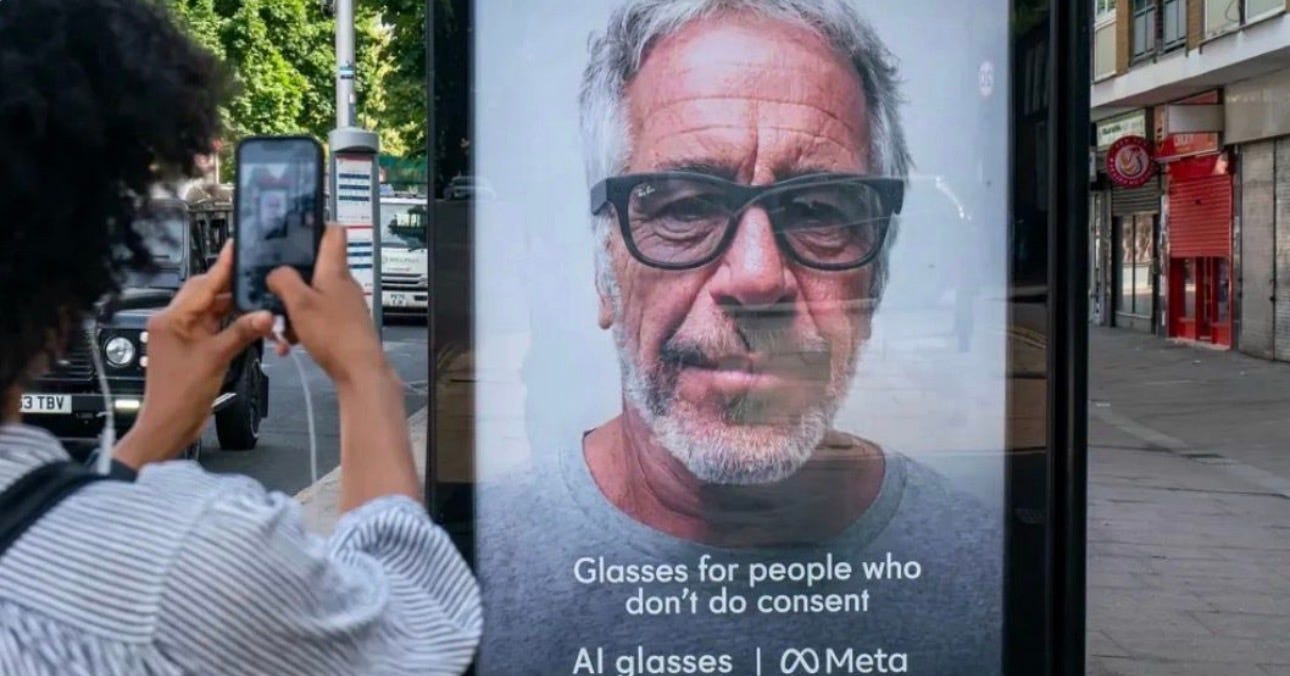
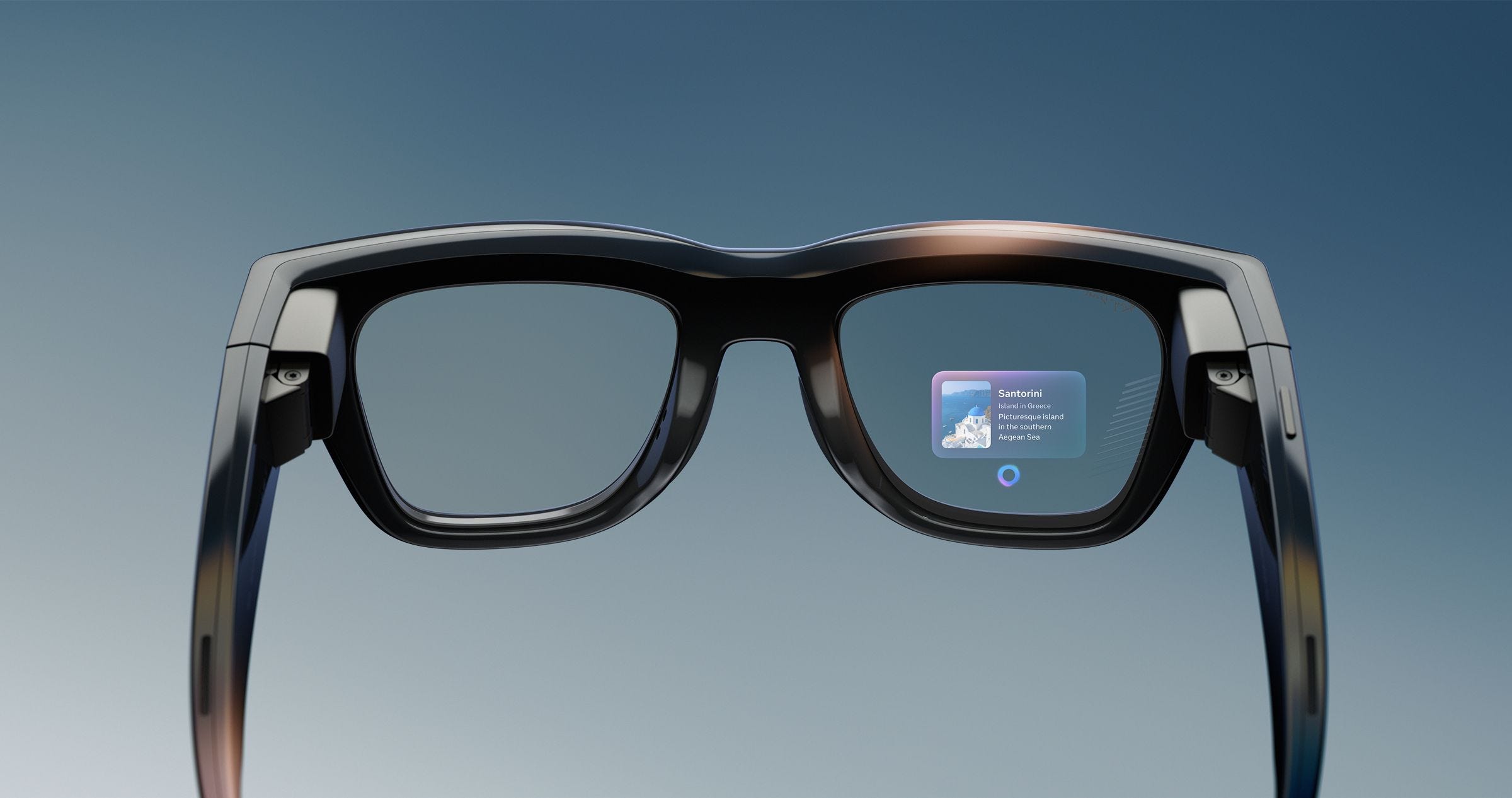
These innocent looking (and pretty stylish) glasses have an embedded microphone, camera, and screen that connects to Meta’s AI facial recognition to identify the name of a coworker you keep forgetting or map a path down the sidewalk.
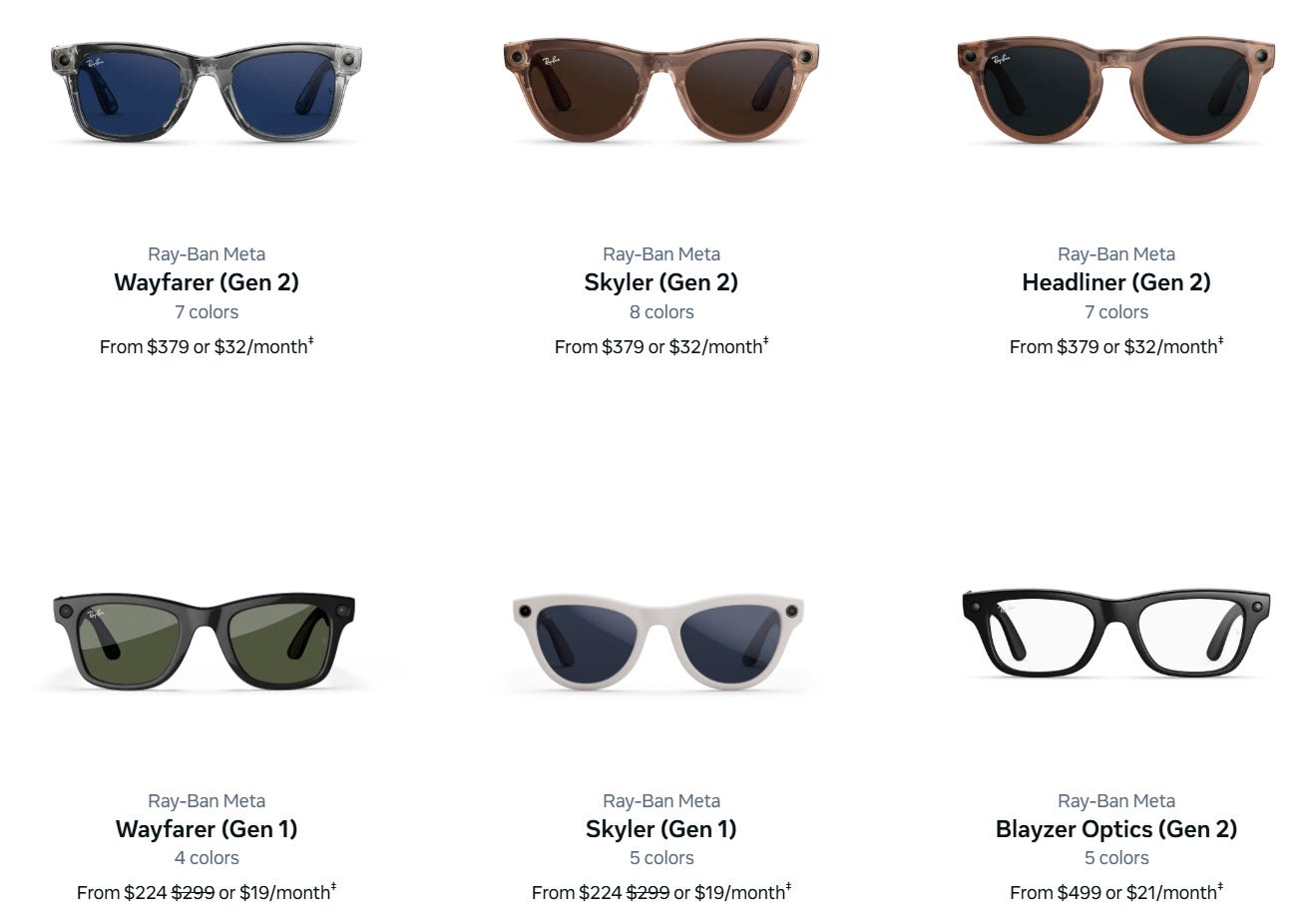
Google and others have been working on smart glasses for more than a decade, but this is the first cheap and semi-functional AI glasses product that doesn’t look like nerdy ski goggles. Privacy advocates are worried about these glasses because you might not notice that a person in the gym locker room is wearing glasses that film you walking out of the shower.
As you might expect, I have a much darker fear about this type of product. Most of the recent school shootings that I’ve studied wouldn’t happen without an online community of radicalized cheerleaders. In the final minutes before teens start shooting at random classmates, they post on social media to get one more round of likes and comments.
Unlike school shootings in the 1960s, or 1970s, or 1980s, or even the 1990s, firing a gun inside a classroom is no longer just a physical act. School shootings and public mass shootings have morphed into interactive content creation experiences designed for an attacker’s radicalized online network.
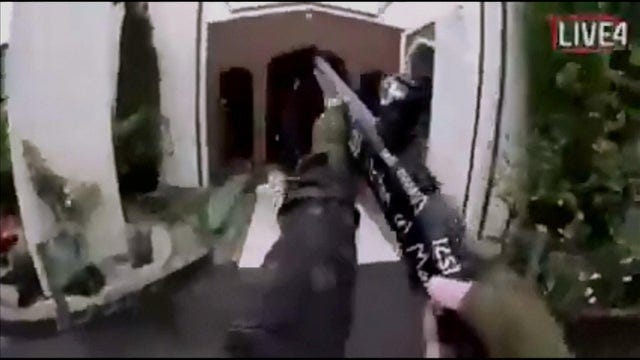
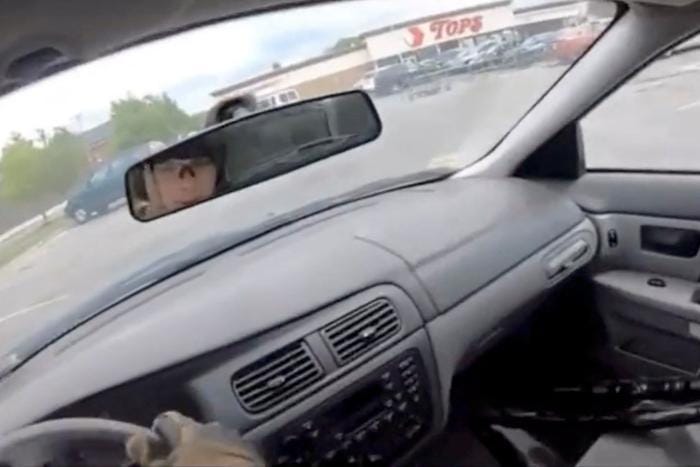
School shooters tend to copy the actions of prior attackers, especially the ones they idolize like Brenton Tarrant who used a helmet-mounted camera to broadcast seventeen minutes of the 2019 Christchurch mosque shootings on Facebook Live. Later that year, a mass shooting in Halle, Germany was livestreamed on Twitch. The 2022 Buffalo Tops Supermarket shooter combined both with a helmet mounted GoPro connected to his Twitch account. Also in 2022, a 22-year-old with six automatic rifles livestreamed his rifle scope video when he opened fire on the Edmund Burke School in Washington, DC. Two months ago in San Diego, two teens livestreamed their attack on the Islamic Center.

Making the tech work during these attacks was difficult because the connections failed, cameras had poor video quality, or the platforms took down the streams. In 2024, a 17-year-old in Nashville who was connected with the same white nationalism communities as the European mass shooters tried to livestream his shooting at Antioch High.
Unlike a GoPro on a combat helmet, smart glasses represent a seamless, low-barrier bridge that connects these digital subcultures directly to real-world attacks. By shifting the mechanics of an awkward piece of handheld hardware (try holding an iphone while shooting or getting an early GoPro model to stay connected to your stream) to an unobtrusive, hands-free glasses frame, devices like Meta Ray-Bans quietly strip away the friction that can interrupt an attack.
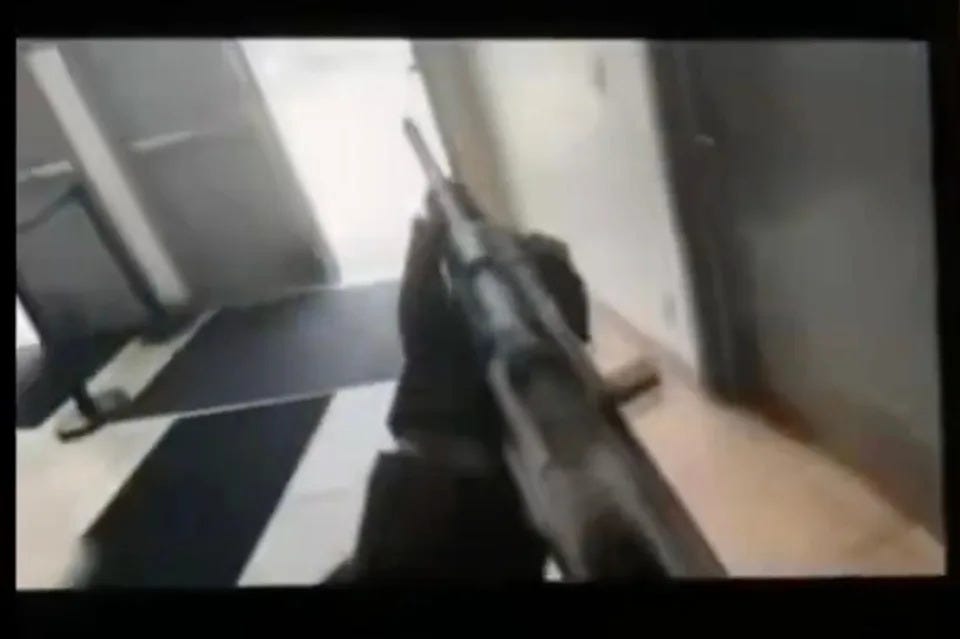
As you might imagine if you’ve read anything else I’ve written, the livesteam is just the beginning of the problem.
Target Identification
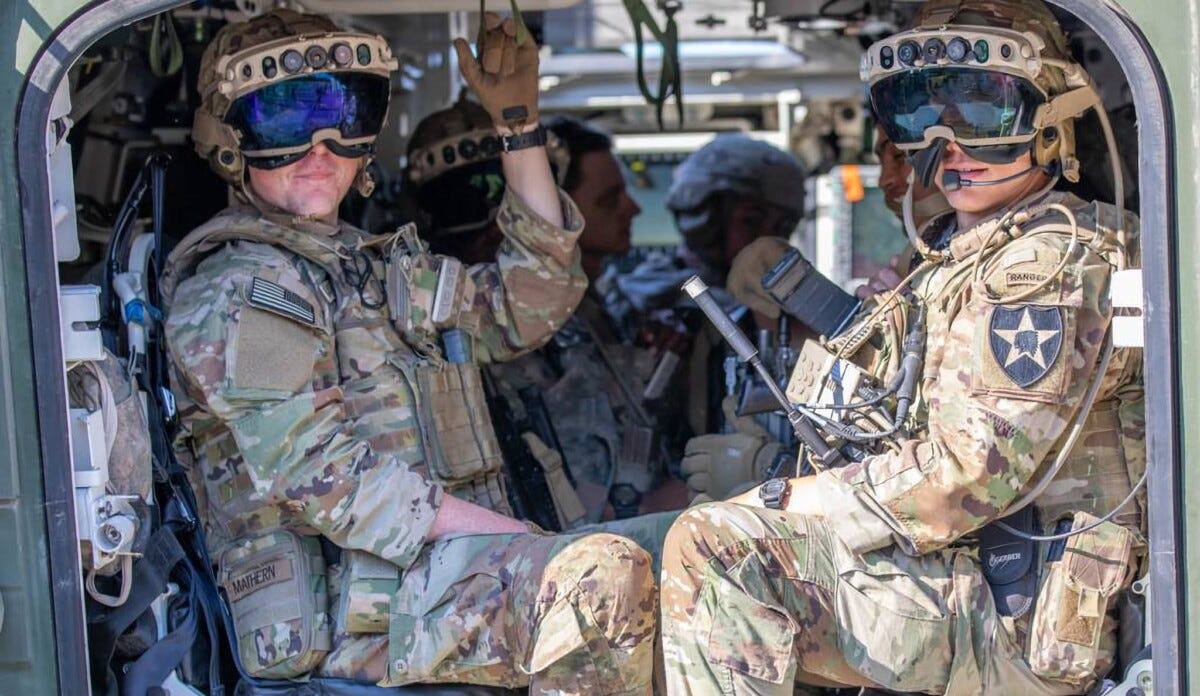
In high stress situations, it’s easy to freeze, forget the objectives, or shoot at the wrong person. To solve that problem on the battlefield, the US military is spending billions of dollars on R&D for smart goggles and optics that can give real-team target data as an image overlay.
While it’s pretty easy for a teen to sneak a gun into their school, it’s really hard to pull the trigger. The vast majority of school shooters kill 1 or zero victims even when they plan to kill dozens and a heavily armed with a carefully designed plan.
One theory that explains why school shooters are bad a killing is the difficulty of shooting a classmate face-to-face. Most school shooters fire at victims who are running away or fire into darkened classrooms at silhouettes.

With smart glasses that have an augmented reality interface, does killing become easier because it’s a surreal and gamified experience.
If a student vibe-codes a smart glasses app that makes a map of their attack route, puts filters/targets on victims, and has a countdown timer with a victim count, does that make an attack less real and into a more deadly game?
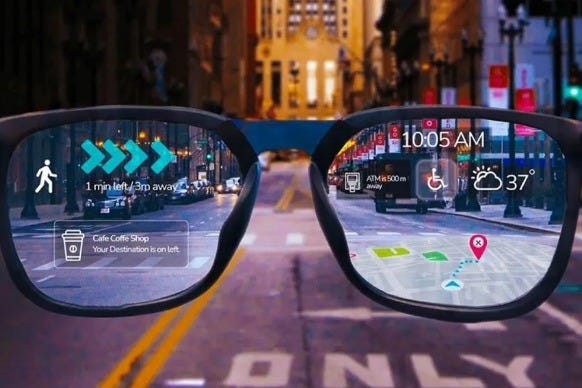
Rather than searching room-by-room or relying on memory, a shooter wearing AI glasses can instantly identify their hit-list targets. Kids will talk a big game in online forums about attacks they will commit but most will never do it in real life. Will having a digital overlay that distracts from the harsh reality of shooting people make it easier to pull the trigger?
Interactive Follower Engagement
Before the recent school shootings, the perpetrators post on group chats to get the final approval and pump-up from their community. At Florida State, the shooter sent ChatGPT a picture of his gun to make sure it was loaded correctly. With Meta AI glasses, these final steps are seamless.
Keep reading with a 7-day free trial
Subscribe to Riedman Report: Risk, AI, Education, & Security to keep reading this post and get 7 days of free access to the full post archives.