
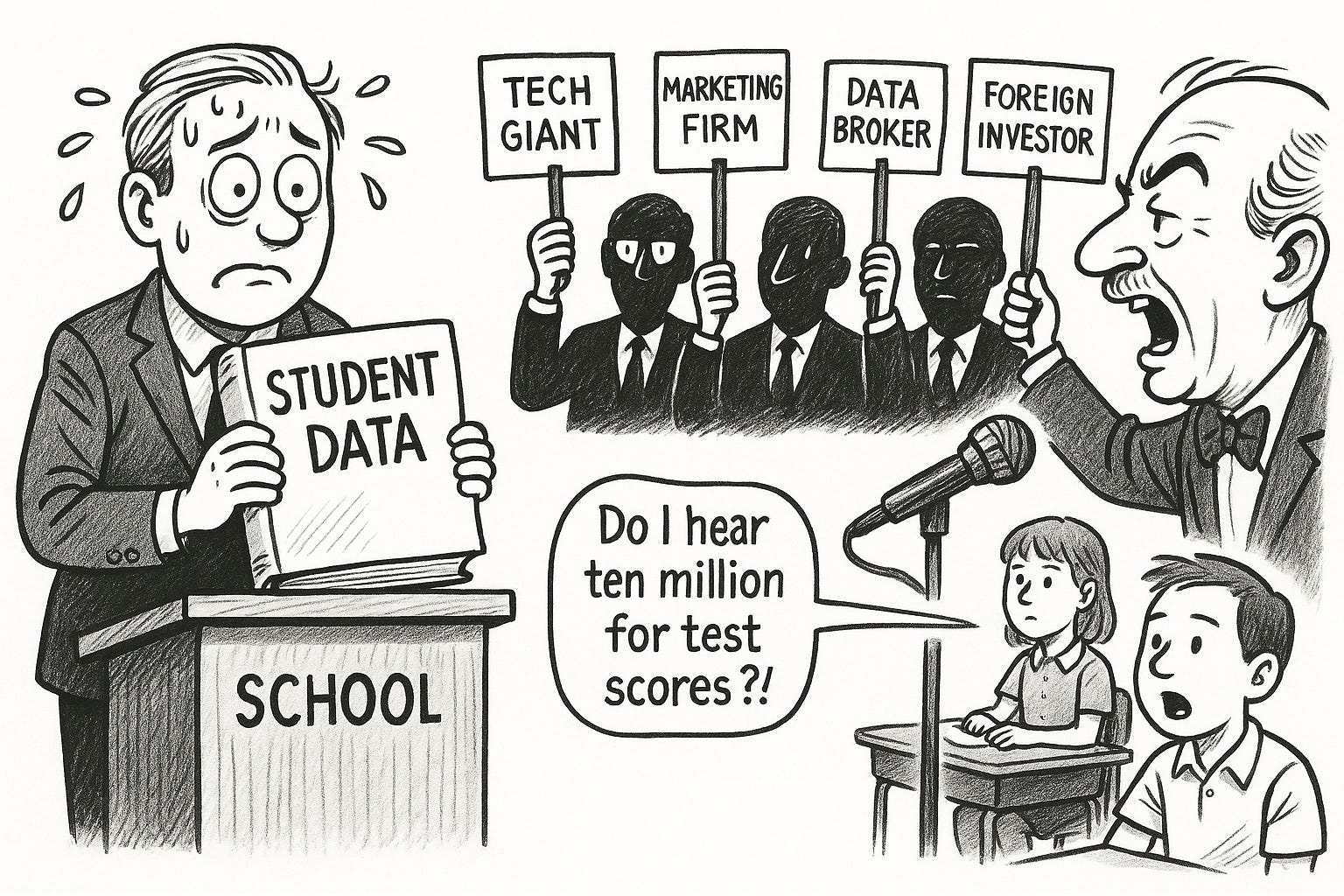
Student data sold to the highest bidder?
Thoma Bravo (private equity firm with $130B in managed assets) is planning to divest Raptor Technologies, its Houston-based school safety software platform, for $2 billion.

Last month, I wrote an article about what happens when a school security startup company fails. In the news this week, there is exactly the opposite as Thoma Bravo (private equity firm with $130B in managed assets) is planning to divest Raptor Technologies, its Houston-based school safety software platform, for $2 billion.
This potential sale brings up a big question because what happens when private student data from 60,000 schools is sold to the highest bidder?
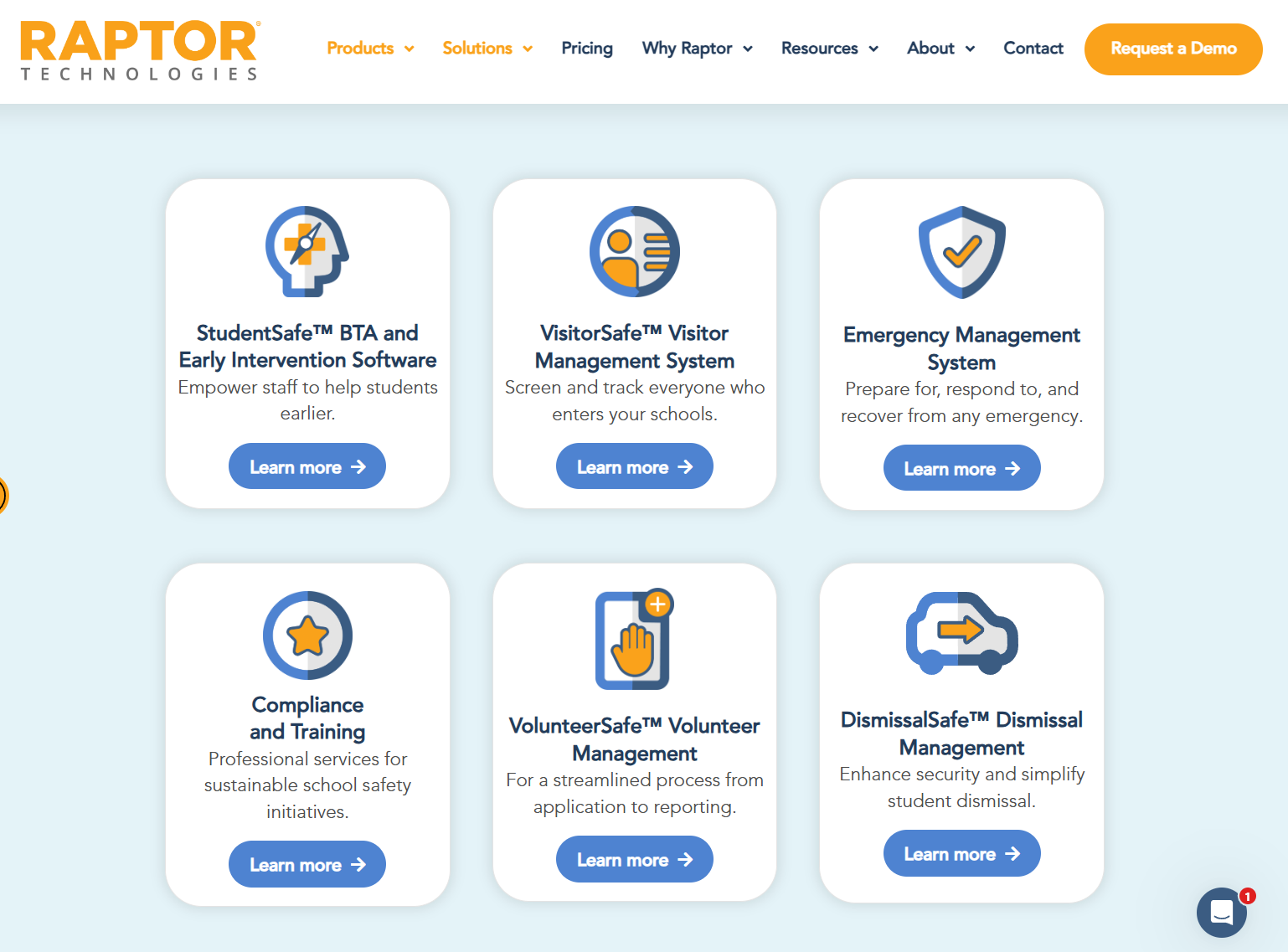
Raptor Technologies is a “school safety partner for 60,000 schools in 55 countries, providing SaaS and mobile technology as well as comprehensive training and consultation solutions across the entire school safety lifecycle, ranging from crisis prevention and preparation to emergency response and recovery. Raptor’s globally integrated product portfolio supports a school’s foundation of safety and wellbeing including Emergency Management, Campus Movement, Student Wellbeing, and Safety Training and Compliance.”
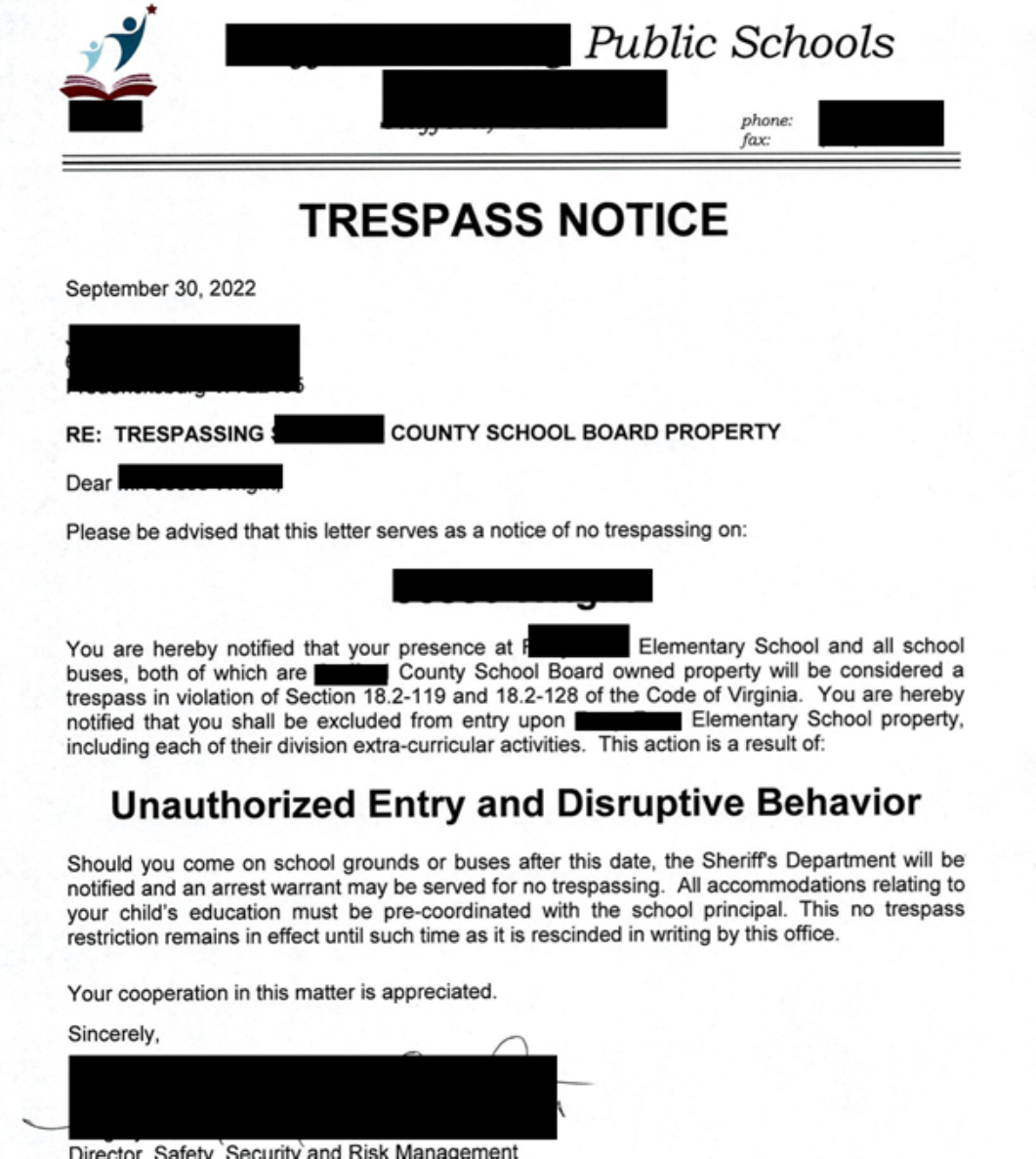
Last year, Raptor Technologies accidentally exposed 4 million records including school evacuation plans and detailed maps, threat assessment team reports, student medical records, court documents related to family abuse and restraining orders, and the names/numbers of staff, students, and parents/guardians.
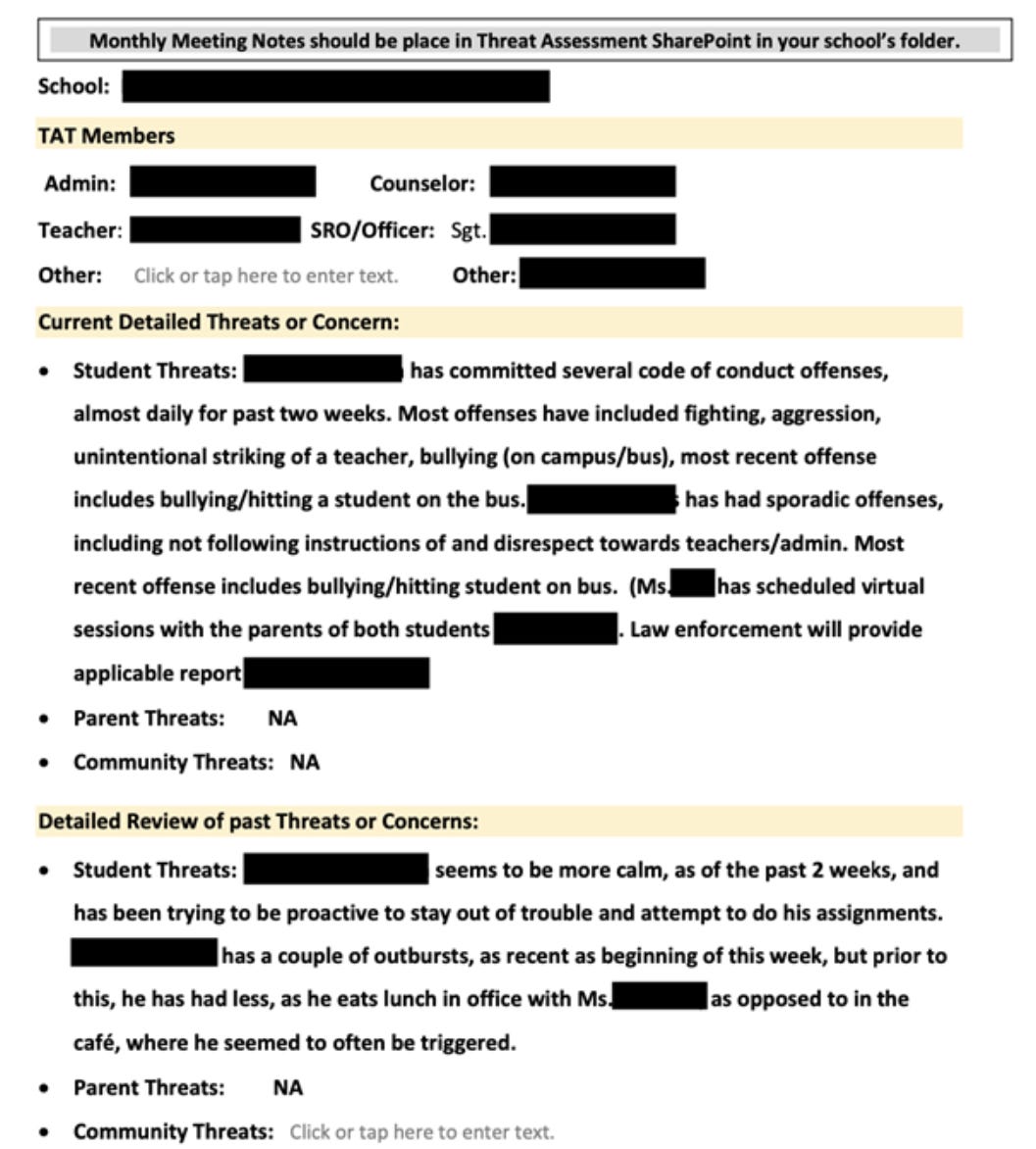
The files were exposed because PDFs that were not encrypted or password protected were found by a security researcher on an open access cloud storage site. If you run a software company that manages data, data storage is one of the biggest operating costs for your business. Using existing commercial software is much cheaper than building a custom platform with encrypted data and individual user permissions.
Because Raptor Technologies offers a “full suite” of school security services, some schools decide to upload emergency plans and maps into the system. The exposed files included very detailed and sensitive information like maps with the evacuation line up locations by classrooms.
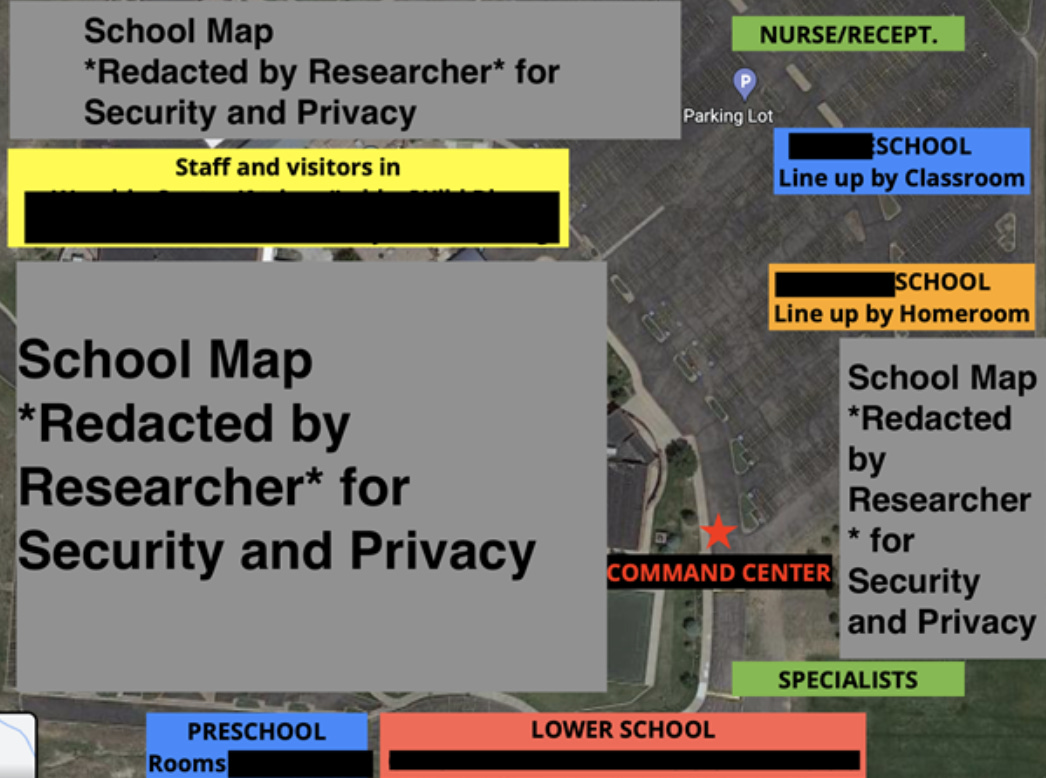
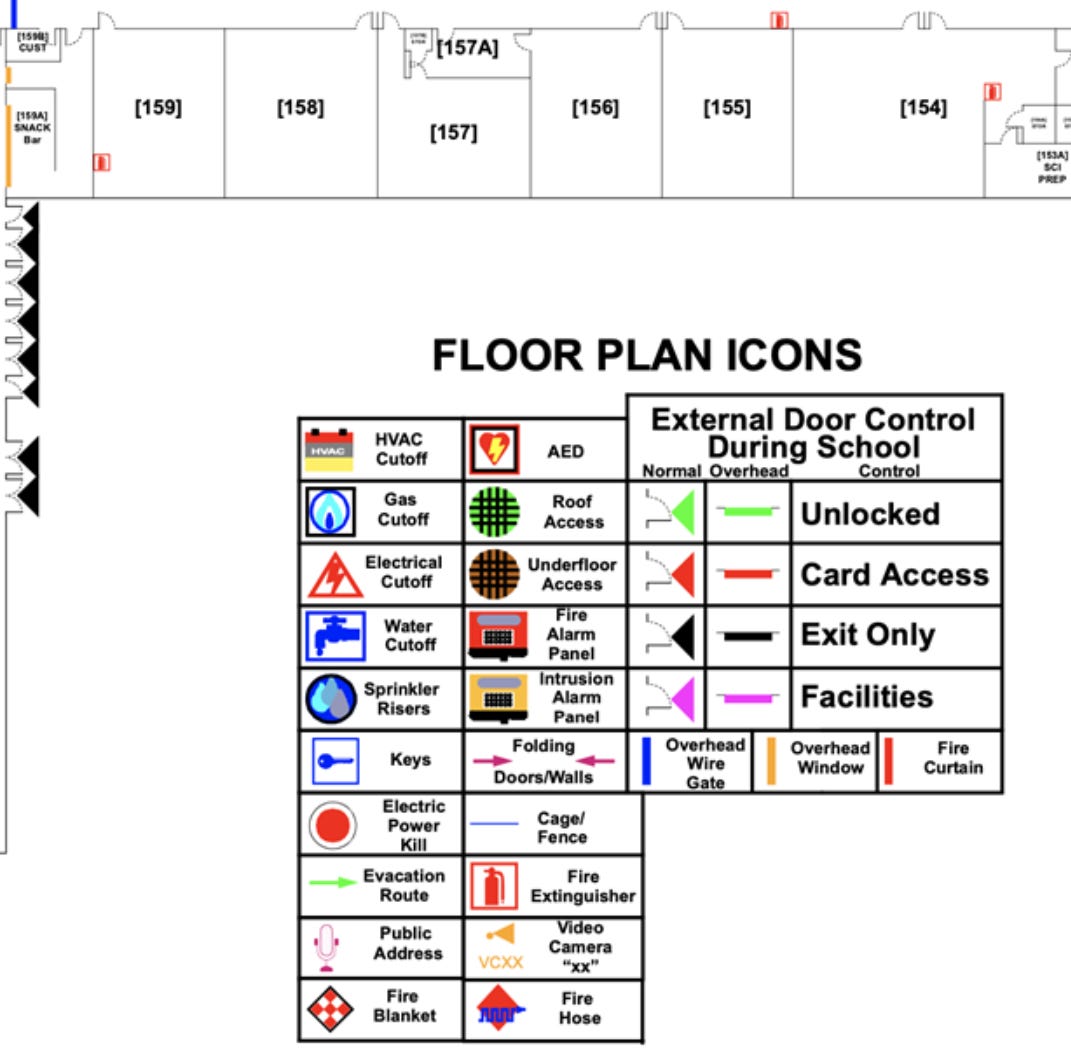
Raptor also provides an interface for police departments to access detailed maps of the schools. The exposed files included detailed floor plans with items like the “gas cutoff”, “roof access”, and “video cameras”. This is exactly the type of information that a teen plotting a school shooting would try to look for.
This exposure of private records and emergency plans should be a warning to any school system about the danger of putting all your eggs into one basket. The flip side of this situation is what happens when a school uses a startup for all of these essential functions (e.g., records tracking, emergency planning, CCTV camera monitoring) and the company suddenly disappears because startups can go bankrupt overnight.
Potential Raptor Technologies Sale
The private equity firm Thoma Bravo has engaged JPMorgan to advise on the sale process, which is expected to begin later this year. Raptor currently generates over $80M in EBITDA (Earnings Before Interest, Taxes, Depreciation, and Amortization) and has contracts with approximately 60,000 schools in 55 countries with digital solutions designed for crisis prevention, emergency response, recovery, and safe student movement.
Based on recent contract details posted publicly for a 3 school district in Pennsylvania, the service has a $1000/school one time startup cost and $2000/school/year license fee. An EBITDA of $80M for 60k schools is only $1,333/year/school. If Raptor was contracted at 130,000 public and private schools in the US, the EBITDA would be around $173M and (in my opinion) the international market for school security app services is not big.
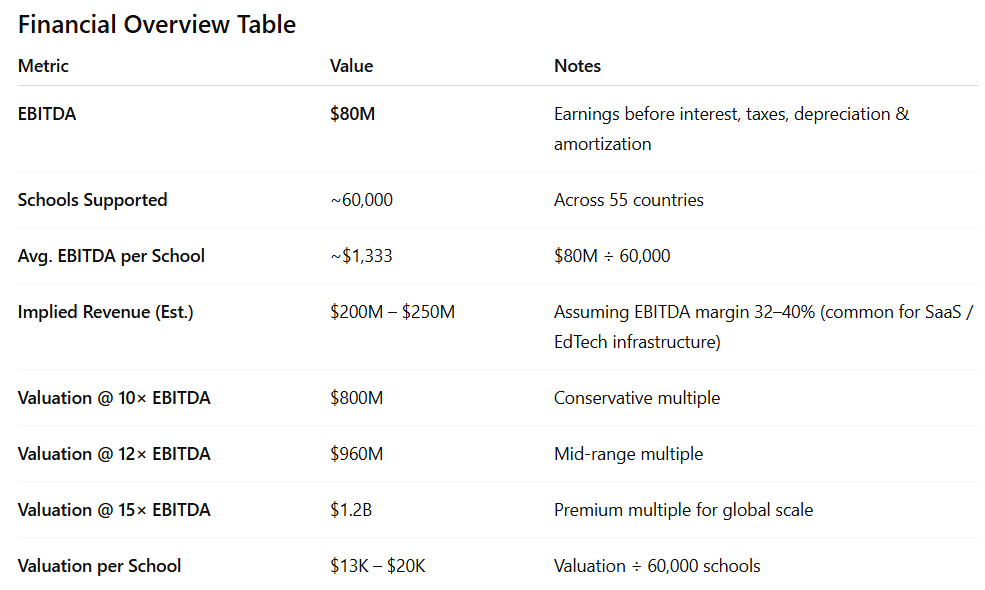
A valuation of 25x EBITDA is (in my humble and completely personal opinion that should in no way be construed as financial advice) an absolutely crazy valuation for a pretty basic software platform with a finite growth ceiling.
So what factors value this company at $2B? Is it the student data rather than the service fee that is worth this much money on the open market?
Right now, AI is driving the tech market and to get an edge on the competition, every AI company is searching for new and proprietary datasets. If a company was building an AI threat assessment tool, having exclusive access to millions of student records would be an absolute goldmine. The question is, did schools, parents, and students consent to their personal information being a billion-dollar payday for a private equity company?
David Riedman is the creator of the K-12 School Shooting Database, Chief Data Officer at a global risk management firm, and a tenure-track professor. Listen to my recent interviews on Freakonomics Radio, New England Journal of Medicine, and my article on CNN about AI and school security.