

People of all ages across the world are naturally inclined to add more pieces to solve a puzzle or problem
Fewer pieces can be more efficient (the less is more concept)
We need deliberate and purposeful attention to subtract
I just finished reading a wonderfully creative book by Leidy Klotz called “Subtract: The Untapped Science of Less”. He is a professor of engineering and architecture at the University of Virginia.
In 1949 as World War II ended and families moved to suburbs, Huffy released a new product called “training wheels” that allowed young kids to ride bikes with their parents and older siblings. Kids would wobble side-to-side without falling until around 6-years-old when the “training wheels come off”.
This was the status quo for almost 60 years until a clever parent realized that toddlers could also ride bikes without training wheels if you also remove the pedals. Rather than adding an extra piece, a bike with less works even better for a small child.
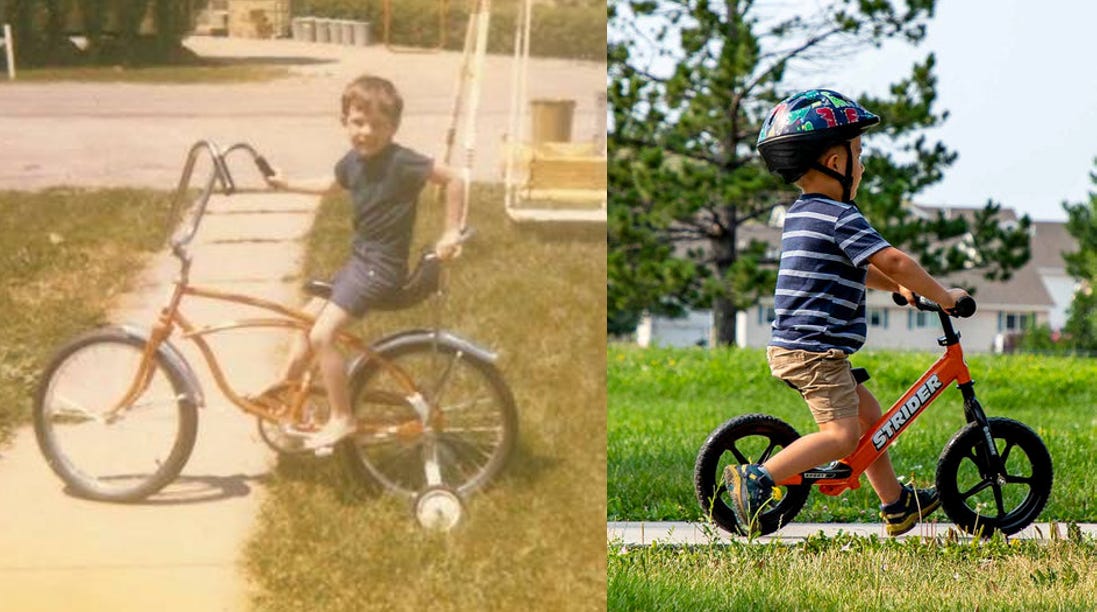
Training wheels tried to solve the wrong part of the problem because any kid can learn how to turn pedals with a few minutes of practice. The hardest part of learning to ride a bike is figuring out how to balance. By freeing up a kid’s feet and cognitive load, toddlers can learn to balance and kids as young as 3-years-old can easily transition from Striders to big kid pedal bikes.
This is an amazing case of how a machine with fewer parts works so much better.

And I’m writing this article because the book is full of examples across psychology, sociology, architecture, urban planning, and public policy where subtracting something results in a better outcome. For example, a freeway into the center of an urban downtown might seem essential to get people there. But when the freeway is removed, it opens up space for a riverfront arts district that draws even more businesses, people, and tax revenue.
We rarely think of taking something away because of our instinctual and learned desire to keep and collect. As you might guess, this book made me think about schools and how more things keep getting added to make campuses safer. What if adding more security features is like the Huffy training wheels and it’s stalling progress?
Subtracting Fences and Locked Doors
I was an 80s kid with training wheels on my bike. As soon as I got them off, one of the places I would ride with my neighborhood friends was to the school in the afternoons and weekends. We would climb on the jungle gym, play HORSE on the basketball court, wiffle ball on the baseball field, or sit on the picnic benches by the cafeteria door. The campus was a completely open and unsupervised place for us to spend our time.
If it was cold or raining, the doors were usually open and the gym teachers left basketballs out on the court knowing kids would find their way in. Sometimes there were random adults inside playing pickup games.
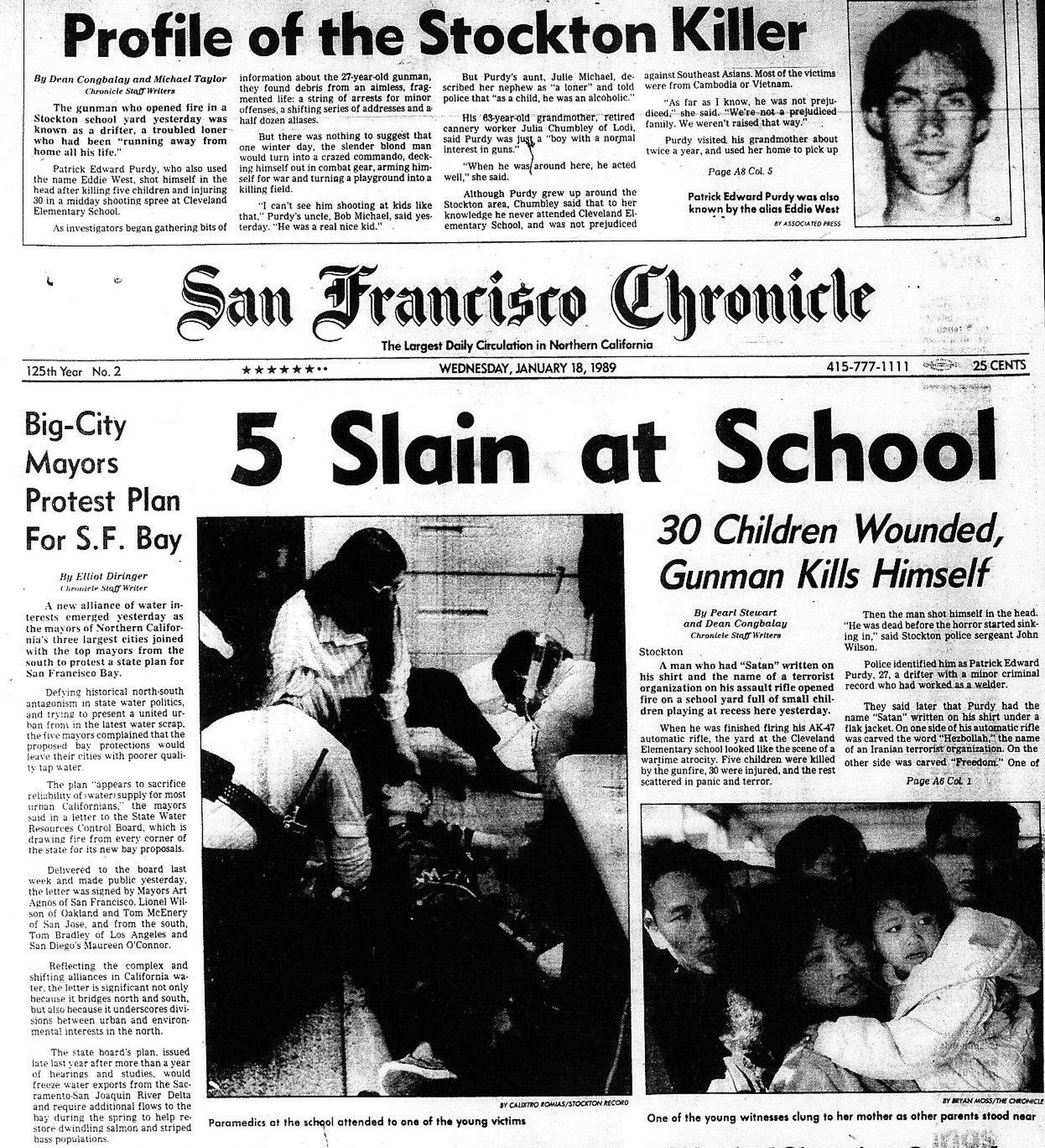
Things weren’t different back then because on of the worst school shootings in US history happened when I was in kindergarten. While I was in elementary and middle school playing on an open campus, 14 people were shot at Lindhurst High in 1992. Five more shot at Wickliffe Middle in 1994. Four at Frontier Middle in 1996. Nine at Pearl High and eight at Heath High in 1997. Fifteen at Westside Middle and 27 at Thurston High in 1998. Even with a mass shooting each year, my campus was never fenced, patrolled by police, or closed to me and my friends on the weekend.
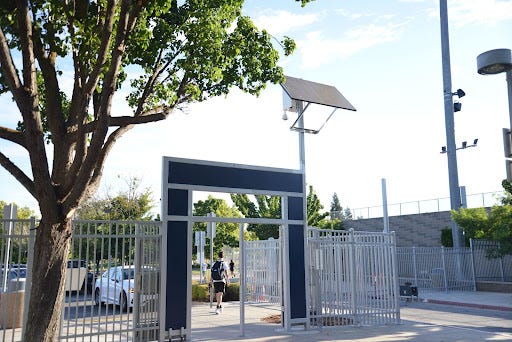
Today, most school campuses are fenced and gated. Every door on campus is locked both during and after school hours. Students aren’t allowed to hang around the campus without an approved activity and adult monitor.
From my research on school shootings, they are often committed by kids who don’t have real-world friends and activities to do in their community so they become radicalized by online groups like TCC.
Could subtracting the fences and locked doors make the campus a safer place by giving kids back one of the traditional spaces they freely used for generations?
Subtracting the Security Status Quo
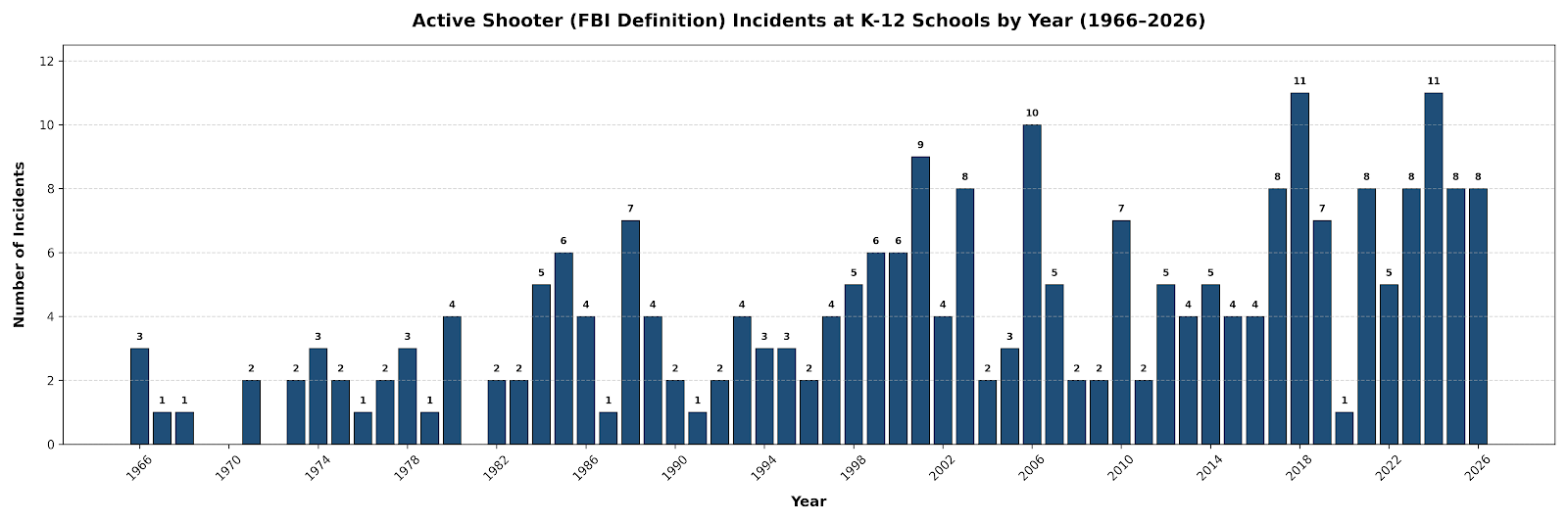
If you look back at the chart above, there have been planned attacks at schools almost every year since the 1960s. They have become more frequent and more deadly in the time after schools became “secure spaces”.
The schools I attended didn’t have security cameras or police on campus. There wasn’t a threat assessment team holding secret meetings to discuss students flagged for “concerning behavior”.
My freshman year of high school was the fall after Columbine. There were two students caught with a hitlist and that was addressed without a SWAT team or FBI-trained threat assessors. I also had a classmate who wore camouflage military jackets and his AOL screen name was “sniper”. He threatened to shoot me and some other kids who teased him in gym class. He never did but if he made that statement today, he would be arrested, his family would be in debt from legal fees, and his life would be very different. I have no idea where he is today but I don’t think he’s in prison which is the most common life course for anyone who enters the justice system as a teen.
When I was a high school senior, there were 13 sniper attacks in the DC metro area over a 3 week period. Eight of them were in the county where I attended high school. A kid getting out of his mother’s car was shot during drop-off at a middle school in the neighboring county. High school football and outdoor activities were cancelled.
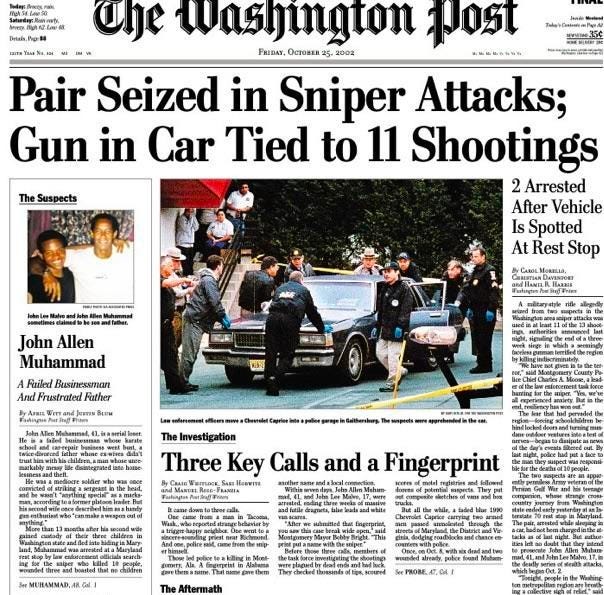
I’m writing this about my life because the idea of subtracting fortification and security seems impossible for some to fathom in the aftermath of Parkland and Uvalde. But schools have never been perfectly safe.
Would a school without fences, locks, cameras, police, and constant surveillance actually be safer? Think about how many things have been added to a campus police officer (rifle, taser, combat-style vest, multiple magazines, multiple radios, bodycam) since the 1970s. Do these additions make the officer better at their job and the campus safer?
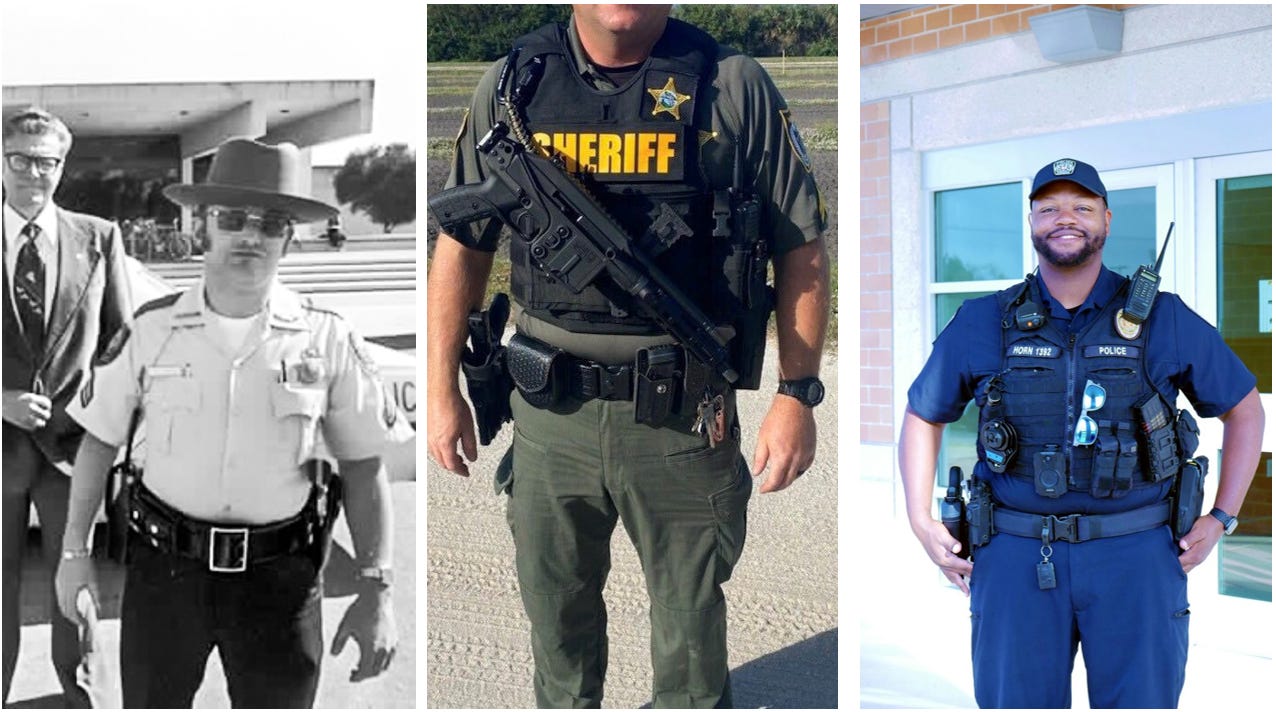
I think we really need to get back to the basics of what a school is for (both during and after the school day). Adding a fence to my elementary school would make my childhood and neighborhood a worse place for kids to grow up. Adding an SRO to my high school would mean that three of my classmates would probably have gone to juvenile detention. Locking the gym door on Saturdays would mean a random adult wouldn’t help me with my layup.
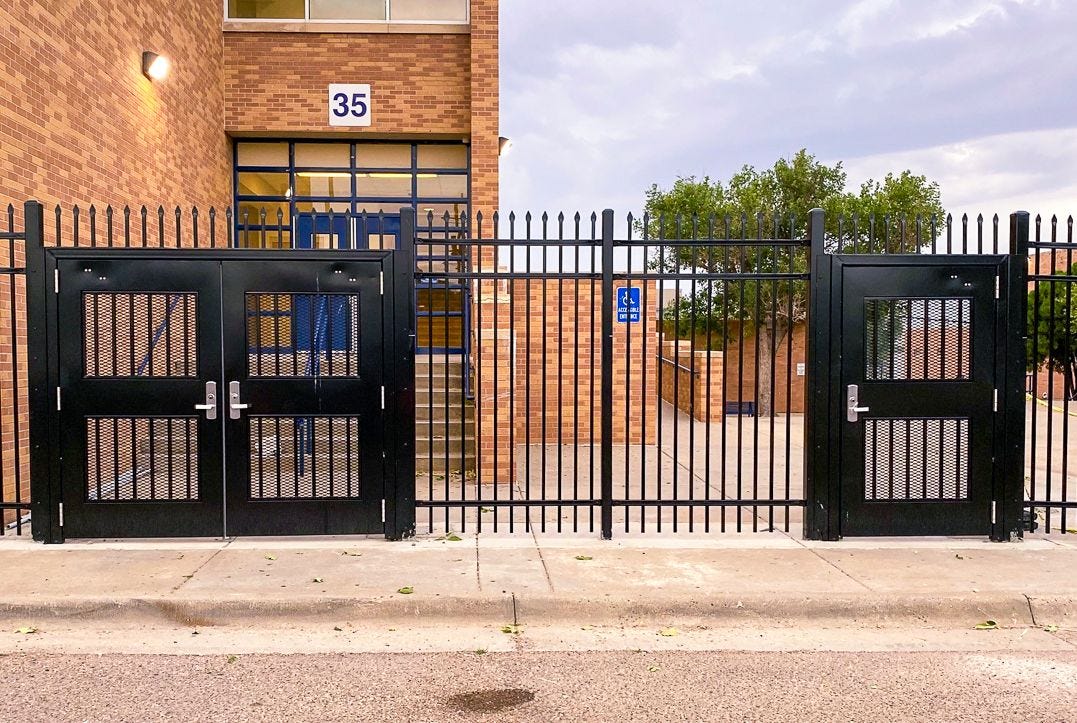
Letting kids freely play after-hours on an open campus without fences or adult monitors might be like a toddler without training wheels or pedals learning how to balance. When a campus doesn’t look like a minimum security prison, a kid who is spending free time watching gore videos online might ride bikes and shoot hoops with the other kids in his neighborhood instead of plotting a school shooting.
It takes a lot of courage and mental effort to subtract. I’d suggest you read this book and see how powerful taking pieces away can be.
David Riedman, PhD is the creator of the K-12 School Shooting Database and a tenure-track professor. Listen to my podcast—Riedman Report: Risk, AI, Education & Security—or my interviews on Freakonomics Radio and the New England Journal of Medicine.