
Hollywood keeps romanticizing the school shooter
Sunglasses and black trench coats. Combat boots. Goth makeup. Posing with weapons. Recording a manifesto. School shooters share the same image because pop culture has defined it.

I really didn’t want to watch The Drama because I heard a spoiler about the plot. When it appeared in my HBO suggestions this week, I clicked it anyway and I’m still regretting my decision.
Here’s my summary (with many spoilers to save you from watching it): A few nights before their wedding, the bride (Zendaya) and groom have a final menu tasting with their best friends. After multiple bottles of wine, someone asks the question “what’s the worst thing you ever did”? The bride is the last to answer and she says “I was going to do a school shooting”.
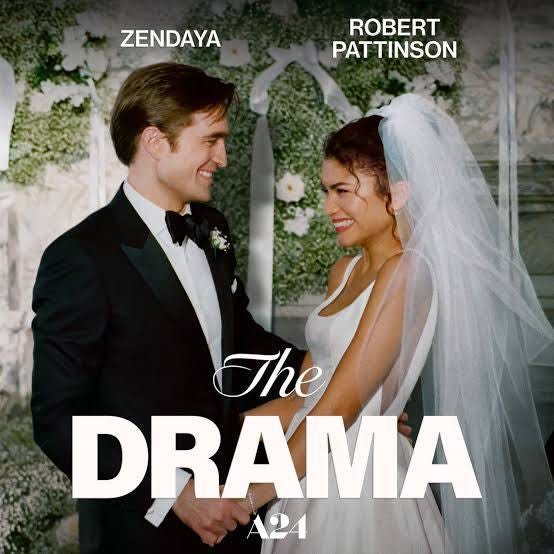
Everyone laughs because they think she is joking but she isn’t. She explains that she was depressed and bullied at school, she made a plan to commit an attack, she practiced with her dad’s gun, and she was about to do it when another mass shooting happened in her town.
The next few days before the wedding devolve into chaos as the groom has a mental breakdown and the wedding reception turns into a fistfight. At the end, they pretend like nothing happened and makeup.
I didn’t leave the film with a clear takeaway from the school shooter story arc. It’s unclear if Zendaya’s character is remorseful or a psychopath. After hearing about the school shooting plot, the groom is terrified when she walks into their bedroom with a kitchen knife. Even though she sees that he is scared, she stabs at him. He jumps back in fear for his life, and then she laughs that it’s a joke. I don’t think the audience knows if it’s a joke or not.
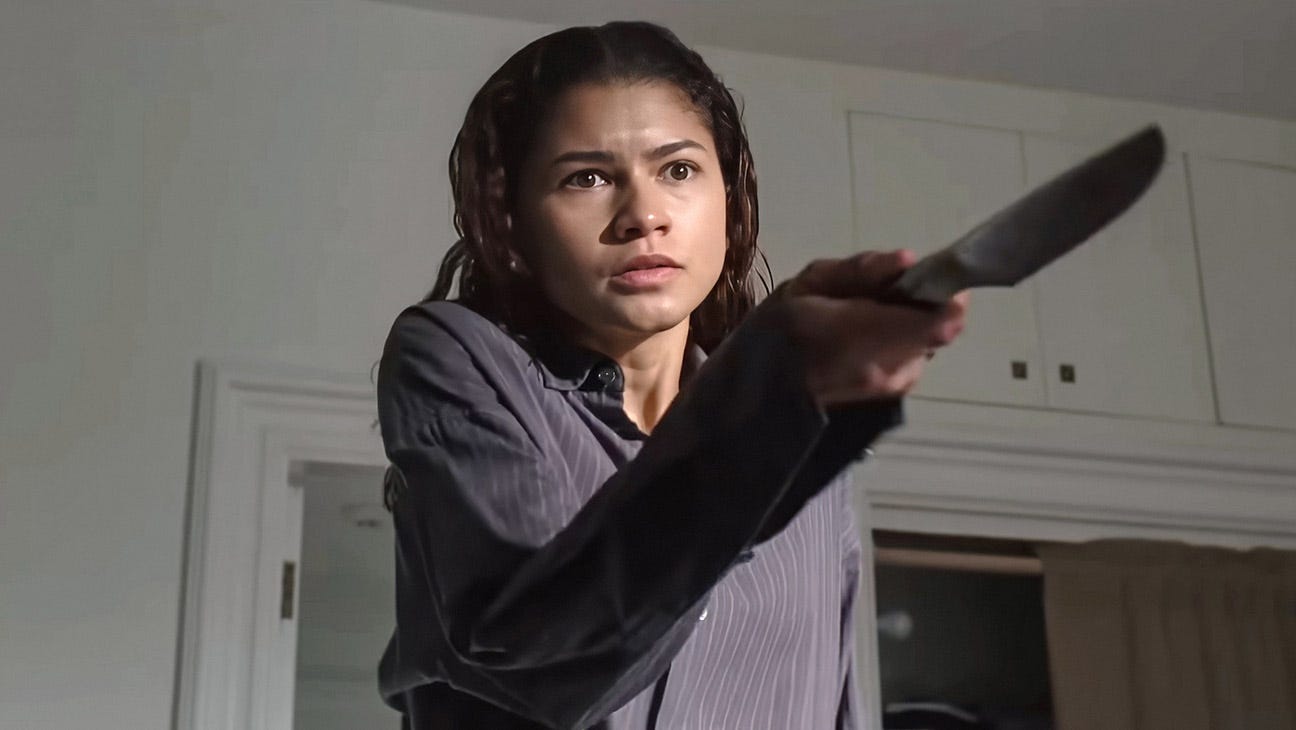
As the groom tries to rationalize the situation, he talks with his friend and says “when school shootings happen all the time, everyone has thought about committing one, right?” As his mental state deteriorates, his dream sequences jump from gory violence as she commits the attack at her school to Zendaya in bed with an assault rifle.
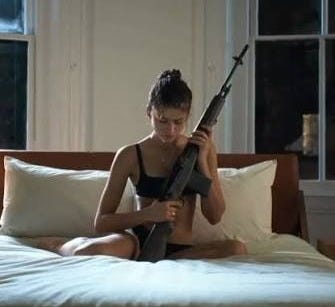
Recent real-world school shooters are obsessed with image, in-group recognition, and basically want to be mass violence influencers. Having one of the most popular actresses on the planet portray an unapologetic almost school shooter is very problematic. The bed/rifle photo is already being posted and celebrated on social media.
In my opinion, The Drama reinforces the same rationale and justifications that kids write in their manifestos without providing a clear pro-social reason for exploring the topic. But it’s not Hollywood’s job to be the morality police or avoid content that harms society. Over the last 30 years, films have provided cultural templates that school shooters still draw from today.
The Basketball Diaries (1995)
Two years before Titanic (and 4 years before Columbine), Leonardo DiCaprio played the part of a drug addicted high school basketball player who daydreamed about wearing a black trench coat to shoot-up his high school with a short barrel shotgun.
The Basketball Diaries came out a decade before TheFaceBook website was available to college students. It was 12 years before algorithmic newsfeeds and iPhone1 hit the stores. But 30 years after this Indie Film premiered at Sundance Festival and then flopped at the box office ($2.4M ticket sales), the clip above has millions of views and comments on YouTube.
Teen movies are commentaries about popular culture. For a mid-90s movie to portray a school shooting, this was already a theme that people could understand and contextualize in the plot. So did Dylan and Eric write the script for a school shooting at Columbine, or was it actually Scott Kalvert (director) and Bryan Goluboff (screenplay)? The correct answer is none of them.
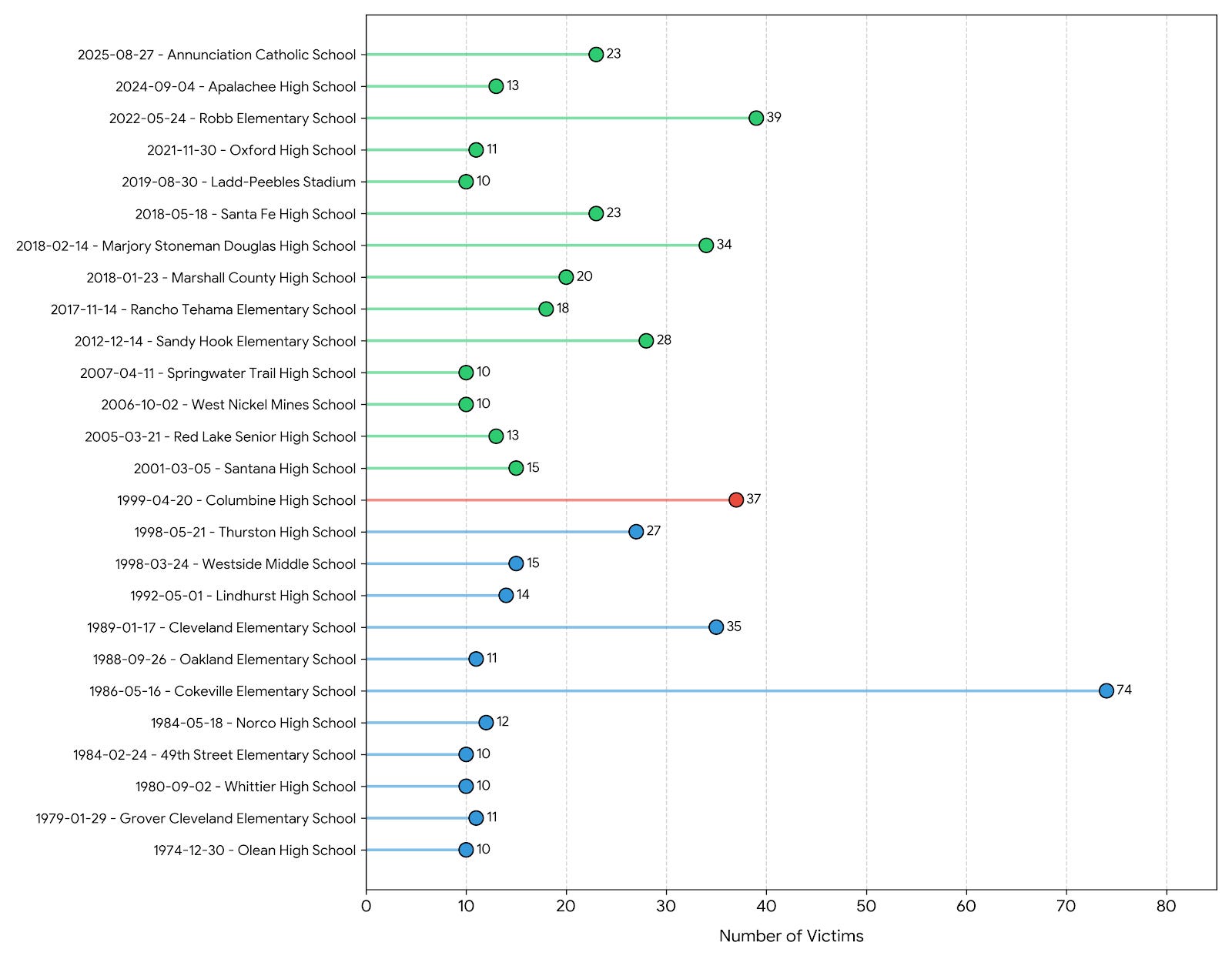
Looking at the 25 school shootings with the highest number of victims since the 1960s:
Before April 1999: 11
During April 1999 (Columbine): 1
After April 1999: 13
The Matrix (1999)
Three weeks before the Columbine attack, a film about computer hackers dressed like school shooters premiered on March 31, 1999. On the surface, the characters embodied a hyper-stylized aesthetic with leather trench coats, razor-thin sunglasses, polished combat boots, and skin-tight jumpers that looked like they just walked out of an underground nightclub. Their minimalist black-and-green Y2K look blended late-1990s techno futurism and German industrial steampunk.
As the lobby scene shows, The Matrix defined the modern cyberpunk look that most school shooters try to emulate today.
The media and politicians immediately blamed The Matrix for the Columbine attack and it was temporarily pulled from theaters (a major move when you couldn’t just stream it or watch YouTube clips). Ironically, The Matrix wasn’t about glorifying gun violence, that was just a superficial cover to pull in the casual viewer.
The entire story revolves around people feeling trapped inside a false version of themselves constructed by a system that dictates who they are supposed to be, while “waking up” requires rejecting that imposed identity despite fear, alienation, and social consequences.
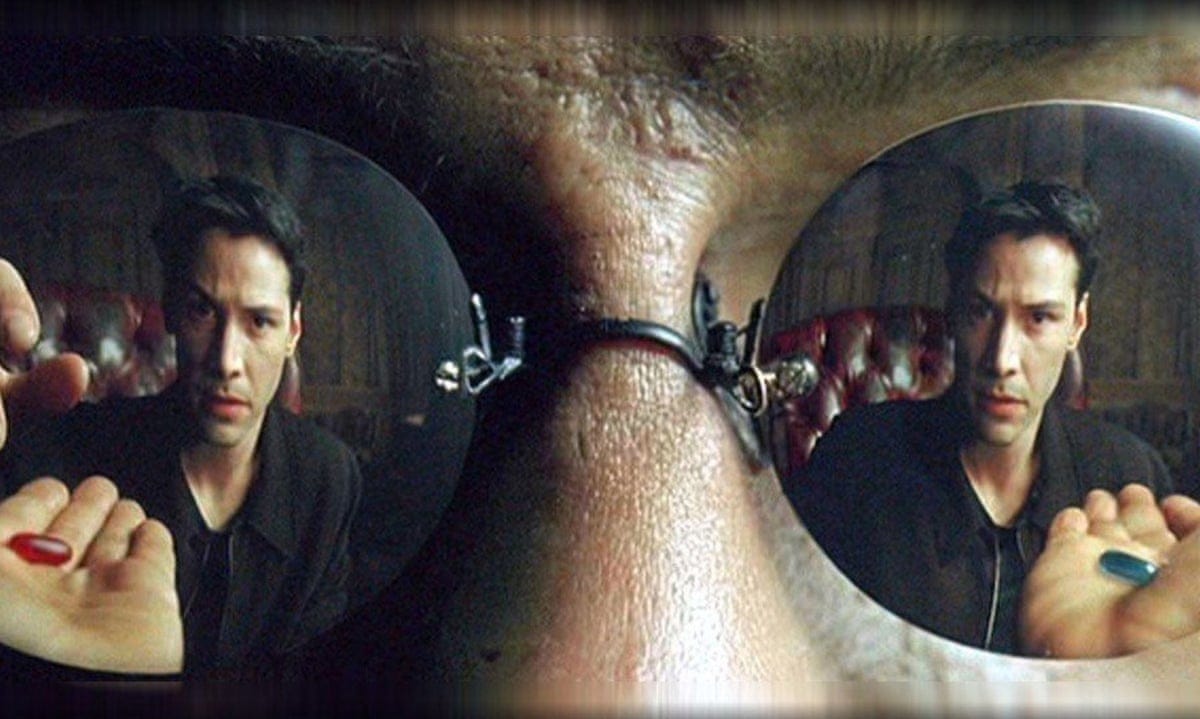
Neo literally abandons the name forced onto him by society, chooses his authentic self by entering a community of people who see him as he truly is. The famous red pill has roots in the gender transition experiences in the 1990s when a commonly prescribed estrogen pill was red. The movie’s shifting mirrors/reflections, body transformation imagery, and deadnaming are not accidental subtext fans invented. The Matrix was written and directed by the Wachowski brothers who are now the Wachowski sisters.
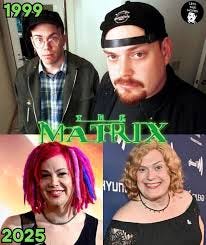
The Matrix wasn’t about being the template for an active shooter or glorifying semi-auto rifles, it was two trans women telling their story about escaping a world where they were forced to be different people.
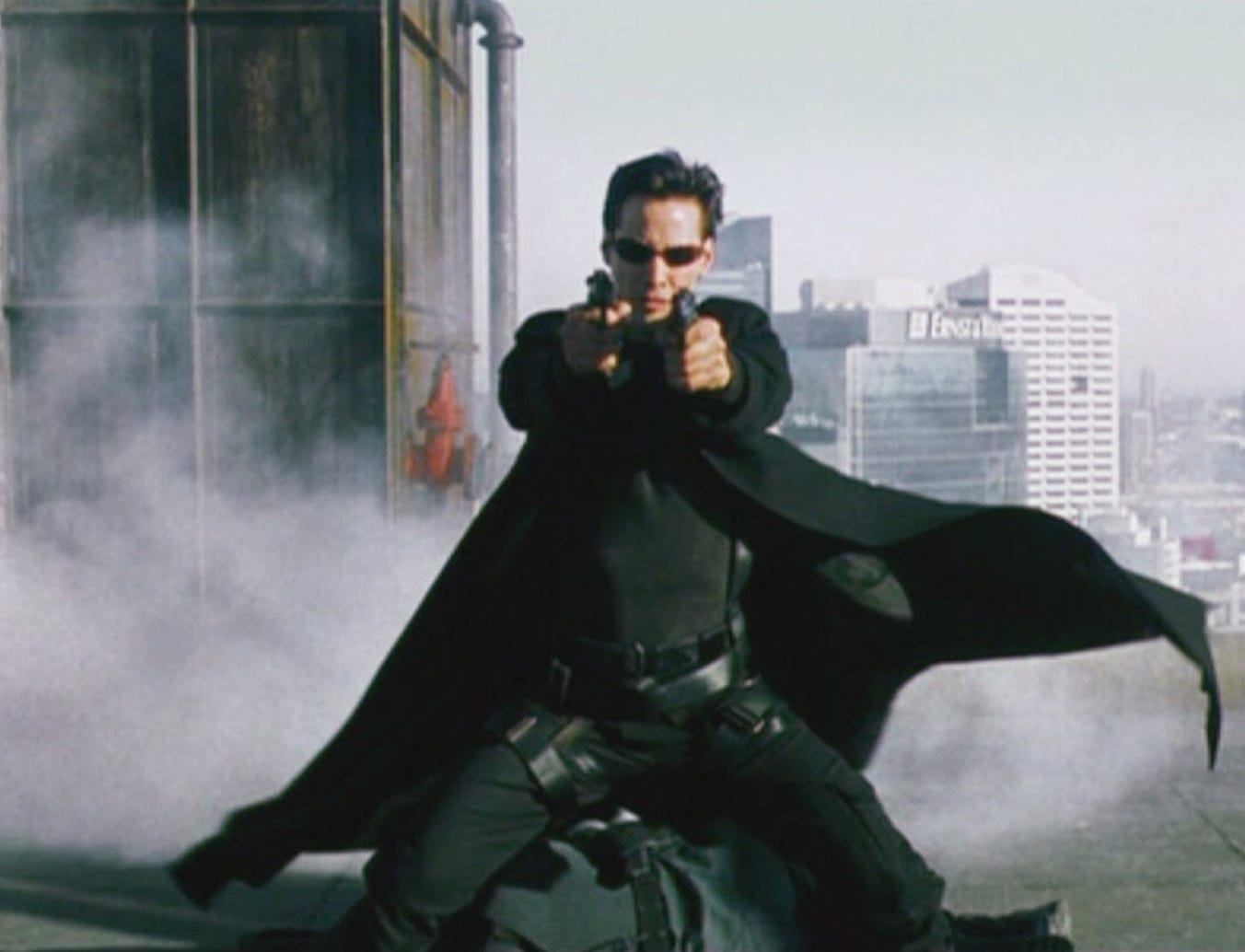
The central message of the story was lost on most viewers and the enduring image from the films is the aesthetic copied by modern mass shooter.
Zero Day (2003)
Zero Day was way ahead of its time before the “school shooter” genre was so easily recognizable. The post-Columbine era of both villainizing and romanticizing mass shooters has created a cultural template for how these monsters look, dress, talk, and perform acts of violence. It feels so unsettling to watch this film because the characters are more recognizable in retrospect, almost like the warning signs that get missed before real world attacks happen.
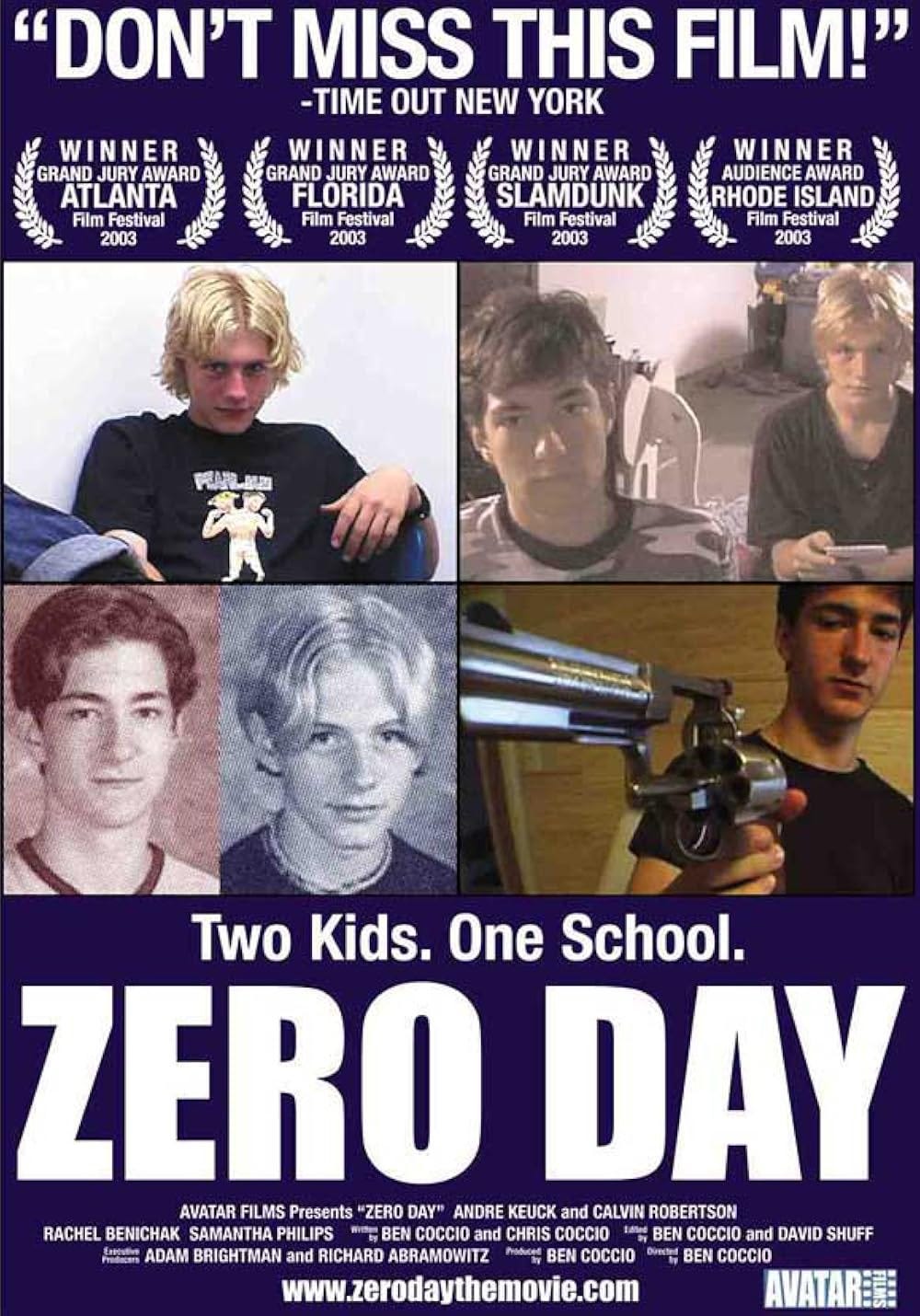
The premise is two suburban high school students, Andre and Cal, use a home video camera to record months of video diaries (vlogs in today’s smartphone world) as they prepare for “Zero Day” when they will commit a school shooting. There’s no orchestral score, no stylized violence or special effects, and no omniscient adult perspective or narrator imposed on the narrative. The movie is just two kids, a shaky camera, and a long build-up showing the mundane process and teen banter as they plan that attack.
Learn more from my prior article: Kids are watching a 2002 indie film about school shooters
Elephant (2003)
This is Gus Van Sant’s film inspired by the Columbine shooting four years prior. The story follows multiple kids at a high school in Portland, OR leading up to a planned shooting/bombing in the school cafeteria on April 20, 1999 (same date and scenario as Columbine).
Van Sant originally planned to create a historically accurate depiction of Columbine but pivoted during production to an unscripted improv by the cast. The entire movie was shot in just 20 days on the location of a permanently closed public school which is why the scenes look so realistic.
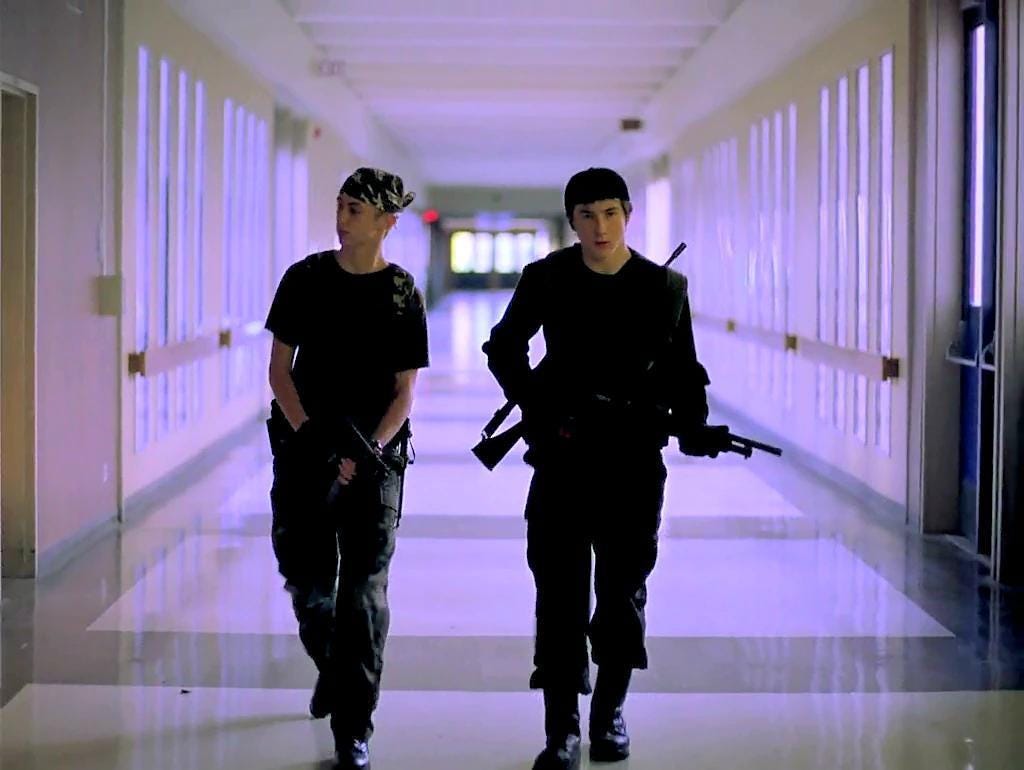
Like Zero Day, this film influenced real-world school shooters. The 14-year-old perpetrator of the 2004 Carmen de Patagones school shooting in Buenos Aires, Argentina watched the film days prior to the shooting. The Red Lake school shooter watched it and showed the shooting scene to other kids days before his attack in 2005. During the 2019 attack at Professor Raul Brasil State School in São Paulo, Brazil, both perpetrators wore clothing matching the main characters of Elephant.
‘Run, Hide, Fight’ Video (2012)
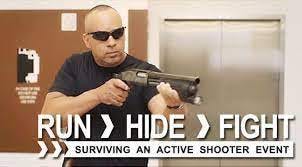
In 2012, the City of Houston used DHS grant dollars to have a professional production company create an active shooter preparedness video called ‘RUN. HIDE. FIGHT.®’ (those three words are a registered trademark).
The terms “school shooter,” “active shooter,” and “mass shooter” persist not because they align with legal definitions, but because they serve a different, cultural function. These labels do not name a crime, rather they conjure an image with a shooter dressed like a character from The Matrix. The active shooter in the Run Hide Fight video is not a specific person with a clear motive, but an amalgamation of traits (emotionless, silent, anonymous) designed to provoke fear.
Unlike the term “murderer,” which is direct and grounded in law, using ambiguous descriptors like “shooter” or “active assailant” evoke archetypes and anxieties. They open space for myth-making, allowing us to cast certain people as monsters rather than forcing us to confront the systemic and human factors behind violence.
Rather than teaching preparedness, the video visually codes the “active shooter” like a creature in a horror film. The man walking with a gun is centered in the frame, stripped of context, and defined only by threat. The Run, Hide, Fight video translates post-9/11 and post-Sandy Hook fears into a visual narrative that reinforces who the monster is and how we should respond. The viewer is not just watching a story unfold, they are told they are living within it.
(If you missed my article last year: Why are school shooters called ‘monsters’?)
What comes next?
If a teen is watching The Drama on repeat and has a printed photo of Zendaya with a rifle on their wall, this is a red flag that should get attention. And this isn’t just teen boys, girls commit school shootings too.
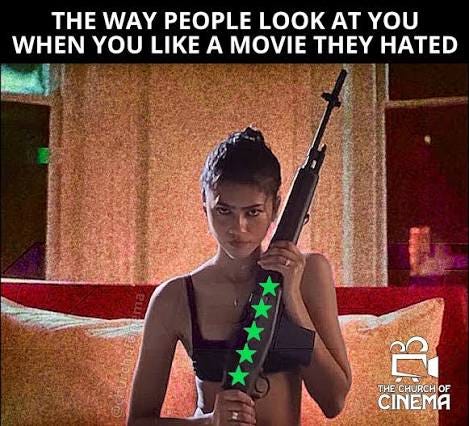
Online communities that promote violence already fetishize female shooters and mimic the images of high-profile attackers. I think it’s very likely that scenes, poses, clothing, names, and phrases from The Drama will start showing up in the online groups that will motivate the next school shooter. When we can’t stop the content from being made, it’s our responsibility to know what it means and use that knowledge to see the warning signs before it happens.
David Riedman, PhD is the creator of the K-12 School Shooting Database and a tenure-track professor. Listen to my podcast—Riedman Report: Risk, AI, Education & Security—or my interviews on Freakonomics Radio and the New England Journal of Medicine.